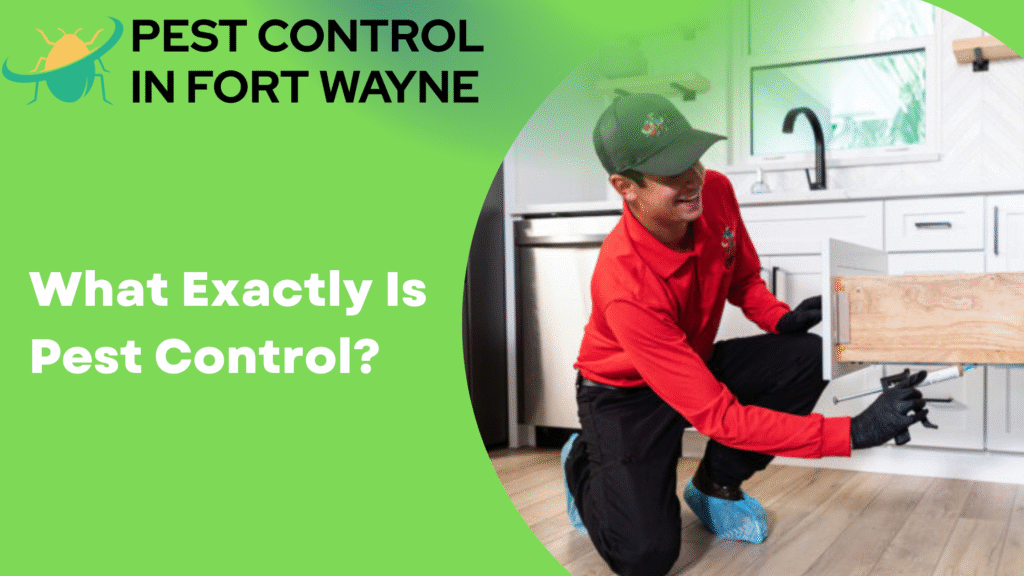
Pest control is the practice of managing, reducing, or eliminating unwanted animals, insects, or other “pests” that pose a threat to human health, property, comfort, or quality of life. Essentially, pest control seeks to prevent damage and nuisance caused by creatures like insects, rodents, termites, bed bugs, and wildlife.
You might think pest control is just about spraying insecticide, but good pest control is much more. It involves inspection, prevention, sanitation, tailored treatments, and sometimes specialised strategies. In this article, you’ll learn what defines a pest, the types of pest control, common methods used, what to expect when you hire a professional, risks, and especially why it matters here in Fort Wayne, Indiana. By the end, you’ll have a full understanding of what pest control really means, so you can make informed decisions for your home or business.
What Is A “Pest”?
Definition of a Pest
A pest is any organism, often insects (like ants, cockroaches, bed bugs), rodents (mice, rats), termites, or other wildlife that is unwelcome. Pests can invade spaces where people live or work, damage property, spread disease, or disrupt comfort.
Common Pests in Fort Wayne / Indiana Region
In Fort Wayne and surrounding areas, some common pests include ants (especially carpenter ants), termites that damage wood structures, bed bugs in homes and apartments, rodents seeking warmth in winter, spiders, mosquitoes, and wasps. Seasonal changes warm summers, cold winters, influence which pests become active.
Damage & Nuisance Caused by Pests
- Health risks: many pests are vectors for disease, cockroaches spread bacteria, rodents carry fleas, ticks, or worse.
- Property damage: termites and carpenter ants can weaken wood, and rodents chew wiring.
- Food contamination & spoilage.
- Stress & discomfort: bed bugs lead to bites, sleep disruption; constant pest sightings reduce quality of life.
Types / Categories of Pest Control
Preventive Pest Control
This involves measures taken before pests have become a serious issue. Sealing entry points, maintaining clean spaces, proper waste management, grooming vegetation, and using barriers.
Reactive / Remedial Control
When pests are already present. Treatments include removal, extermination, or targeted programs to eliminate infestations.
Integrated Pest Management (IPM)
This is a combined approach: using inspection, monitoring, preventive, physical, chemical, and biological methods. IPM emphasises the lowest risk to humans and the environment. It’s more sustainable long-term.
Eco-friendly / Green Pest Control
Using safer chemicals (low toxicity), minimal impact methods, and focusing on non-chemical means first. Biodegradable treatments, natural predators, etc.
Commercial vs Residential Pest Control
Commercial entities (restaurants, offices, warehouses) often have stricter regulatory needs, may face heavier infestations or require ongoing monitoring. Residential pest control often focuses on home infestations, comfort, and cosmetic concerns, but the stakes (health, damage) can still be high.
Methods & Techniques
Inspection & Identification
Before any treatment, professionals inspect the property: identify what pest species are present, how badly they’ve spread, and what conditions are supporting them (moisture, cracks, food sources). This step is crucial: misidentifying a pest or source can lead to ineffective treatment.
Physical Methods
Examples: traps, exclusion (sealing gaps, cracks, entry points), barriers, netting, and physical removal. For rodents, traps; for insects, caulking or screen meshes.
Chemical Methods
Use of insecticides, rodenticides, and termiticides. These need to be carefully selected, applied correctly. Safety precautions must be followed: the right dosage, protective equipment, and minimal exposure for pets & children.
Biological Control
Introducing natural predators or parasites (such as beneficial insects) or microbial agents. For example, using Bacillus thuringiensis (BT) for certain insect larvae. These can help reduce reliance on harsh chemicals.
Environmental / Sanitation Measures
Reducing moisture, fixing leaks, proper waste storage, clearing clutter, and ensuring food containers are sealed. Changes in the environment often reduce pest attraction significantly.
Specialized Treatments
- Heat treatment (for bed bugs) to kill all life stages.
- Baiting systems and liquid barriers (for termites): bait stations underground or around a structure; liquid treatments around the foundation to block termite entry.
- Fumigation, in severe infestations, under controlled settings.
Choosing a Professional Pest Control Service
Licensing, Insurance, Credentials
Ensure the company is licensed in your state (Indiana), insured, and that technicians are trained. This ensures legal compliance and safety.
Safety Aspects
Check that the methods used are safe for children, pets, and non-target wildlife. Ask about the chemicals used, any precautions or downtime needed after treatment.
Guarantees & Follow-Up
Good companies offer warranties or follow-ups: if the pests return, they’ll come back and treat again. Also, periodic checks may be part of the service.
Treatment Plan, Cost, Timeline
A reliable provider will walk you through their plan: what to expect, when, how long treatment will take, and cost estimates. Transparent pricing is essential.
Local Expertise
Because pest species and climate vary, a local company knows what pests are active in your region, what treatments are effective locally, and what may be regulated or prohibited.
Benefits of Effective Pest Control
- Health & Hygiene: Reduces disease transmission, allergies, bites and skin irritation.
- Preventing Property Damage: Termites, carpenter ants, rand odours can cause costly structural damage and wiring issues.
- Peace of Mind & Comfort: Less stress, better sleep, fewer surprises in the home.
- Long-Term Cost Savings: Paying for regular inspections or preventive measures is far cheaper than repairing infestation damage.
- Protecting Food & Business Reputation: For businesses, pest sightings damage reputation; prevention avoids regulatory fines.
Challenges & Risks
- Misuse of Chemicals: Overuse or incorrect application can harm humans, pets, or the environment
- Pest Resistance: Pests may build resistance to certain chemicals; rotating methods is needed
- DIY Risks: Many homeowners try store sprays; they may only treat visible pests, not nests or hidden sources, leading to recurrence.
- Environmental Impact: Non-target effects, pollution, chemical run-off, and harming beneficial insects.
- Hidden or Recurring Infestations: Pests often nest in hard-to-see places; if underlying causes aren’t addressed (moisture, food sources), infestations return.
What to Expect from a Professional Service
Inspection / Assessment Phase
Technicians will inspect the home or building interior and exterior: look for entry points, nests, moisture, signs of pest droppings, damage, etc. They’ll ask questions about when you noticed pests, where, and how often.
Treatment Plan & Timeline
You’ll receive a customised plan: what treatment(s) will be used, how long it will take, whether multiple visits are needed, and what you need to do in advance (e.g. clear areas, move furniture, remove food). Also, safety instructions.
Preparation Steps
You may need to remove clutter, store food, cover or remove pets, ensure ventilation, etc. Some treatments require leaving the premises briefly (in case of fumigation or strong chemicals).
Post-Treatment Care & Prevention Tips
After treatment, technicians often advise steps to reduce recurrence: sealing cracks, fixing moisture leaks, maintaining cleanliness, trimming vegetation, and proper waste management. Regular monitoring or follow-ups may be scheduled.
Costs & Payment Options
Costs depend on pest type, severity of infestation, size of property, and methods used. Many companies offer free quotes, flexible plans, warranties, or even payment plans in some cases. Be sure to get a written estimate.
Local Context: Fort Wayne, IN
Fort Wayne has a climate with cold winters and humid summers, which influences pest cycles. For example, rodents may seek shelter indoors during winter; termites can thrive during warmer months. Bed bugs often spread via travel or shared living spaces.
Local pest control companies (like Pest Control Fort Wayne, IN) are familiar with the region’s pest species, local municipal regulations (what chemicals are permitted), environmental sensitivities, and seasonal patterns. That local knowledge allows more effective, safer, and more cost-efficient treatment.
Also, customers in Fort Wayne often expect services that are child-safe, pet-friendly, and eco-conscious, given the growing awareness. Companies here that offer guarantees and re-treatments have better reputations, because Fort Wayne dwellers know pest problems can recur if not treated fully.
Frequently Asked Questions
What kinds of pests does professional pest control cover?
Professional pest control can address a wide range of pests, including insects (ants, roaches, bed bugs, mosquitoes, wasps), rodents (mice, rats), wood-destroying pests such as termites and carpenter ants, and occasionally wildlife (squirrels, raccoons), depending on local licensing. Each pest requires different treatment strategies, so professionals tailor the solution to the specific pest and extent of infestation. Also, the same company may offer both general pest control and specialised treatments.
Is pest control safe for my children and pets?
Reputable pest control services use EPA-approved products and safe application techniques to ensure minimal risk. Before treatment, they explain which areas need to be kept off-limits, ventilated, or covered to protect kids or animals. After treatment, they may advise waiting periods or washing surfaces; many treatments are specifically formulated to be child- and pet-friendly, especially once dry or settled. If you have sensitive individuals (infants, the elderly, or immunocompromised), you can request extra precautions or eco-friendly options.
How often should I schedule pest control for my home?
Frequency depends on factors like pest type, climate, property size, and whether infestation has occurred. Many homeowners benefit from quarterly treatments (every 3 months) for general pest prevention. In cases of termite risk or severe rodent problems, monitoring or seasonal treatments may be more frequent. If you notice early signs of pests (droppings, sightings), schedule right away rather than waiting for the next cycle.
What is Integrated Pest Management (IPM), and why is it important?
Integrated Pest Management is an approach combining multiple strategies to control pests: inspection, prevention, physical barriers, chemical treatments only when needed, and ongoing monitoring. It emphasises using the least harmful methods first and minimising environmental impact. IPM helps avoid overuse of pesticides, reduces pest resistance, and delivers long-term results. For homeowners, it means steadier control with fewer surprises.
How much does pest control usually cost?
Cost varies widely depending on the type of pest, severity of infestation, size of property, and methods used. A simple ant or roach treatment in a small home will cost much less than termite barrier work, heat treatment for bed bugs, or large commercial jobs. Most professional services offer free inspections or estimates. Always ask for a detailed quote: what’s included, how many visits, follow-ups, warranties, etc. That helps avoid unexpected charges.
Can pest control eliminate all pests with a single treatment?
In many cases, a single treatment can significantly reduce visible pests, especially for mild infestations. However, for pests that have hidden nests (termites, bed bugs) or deep structural infestations, more than one treatment or follow-ups are usually required. Also, prevention (sealing, sanitation) is essential to stop recurrence. The treatment plan from a professional should set expectations about how many visits may be needed.
What should I do to prepare before a professional pest control visit?
You’ll likely need to clear clutter, remove static items from floors or near walls, store or remove food and pets, wash or cover kitchen utensils, and possibly move furniture to allow access to baseboards & corners. If heat treatment or heavy chemical spray is involved, you may need to leave the home for a few hours. The technician will give you specific instructions based on the treatment method they plan to use.
How long do treatments last, and when might pests return?
Duration of effectiveness depends on pest species, environmental conditions, and how thorough the treatment is. Some treatments (e.g. residual sprays) remain effective for several weeks to months; baits or traps may work until depleted. But moisture, cracks in the structure, food or water sources, or nearby untreated areas can allow pests to re-enter. Regular inspection or preventive maintenance helps maintain protection.
Are there eco-friendly or green pest control options?
Yes. Many pest control services offer green options: using low-toxicity chemicals, essential oils, natural predators, non-chemical traps, and preventive strategies (sealing, sanitation). These methods may cost a bit more or require more frequent monitoring, but they reduce exposure to harsh substances and environmental impact. If you prefer eco-friendly options, ask the company up front; many services in Fort Wayne provide them.
What happens if I ignore a pest problem?
Ignoring pests can allow small problems to become major: structural damage (e.g. termites), health hazards from diseases spread by rodents or insects, increasing infestation, making treatment costlier and more involved, possible food spoilage or contamination, decreased property value, and in commercial cases, legal or regulatory problems. Early detection and treatment are far more effective and economical.
Conclusion
Pest control is far more than spraying bugs. It’s a comprehensive science and art combining inspection, preventive measures, carefully selected treatments, and ongoing maintenance. Whether you live in Fort Wayne or anywhere else, knowing what pest control truly involves empowers you to protect your home, your health, and your property.
If you’re seeing signs of pests or just want a regular inspection to prevent issues, don’t wait. Reach out to a trusted local service licensed, experienced, eco-conscious and get a free quote today. Your peace of mind is worth it.