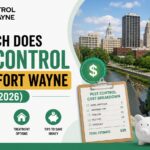
Commercial spaces like restaurants, offices, and warehouses face constant pest challenges. Pests can damage inventory, spread diseases, and ruin your reputation. Understanding how much commercial pest control costs helps business owners make smarter maintenance decisions. The price depends on several factors, including the type of pest, building size, and how often you need service.
When you work with professionals from Pest Control in Fort Wayne, you get customized solutions that fit your business’s size, pest problem, and budget, ensuring protection without unnecessary costs.
Why Commercial Pest Control Is Essential
Businesses must maintain high hygiene and safety standards, especially those in food service, healthcare, or hospitality. Even a small pest problem can quickly escalate and result in major financial and reputational damage.
Imagine a customer spotting a roach in your restaurant or a mouse running across your office floor. One incident can lead to bad reviews, loss of customers, or even health department citations.
Professional commercial pest control provides consistent monitoring, targeted treatments, and long-term prevention, giving you peace of mind and compliance with regulations.
Factors That Affect Commercial Pest Control Costs
Commercial pest control prices vary based on several key factors:
Property Size
Larger facilities naturally require more treatment material, labor, and time. A small café might need minimal coverage, while a warehouse or multi-level office complex will require a full-scale treatment plan.
Type of Pest
Not all pests are equal in cost or treatment difficulty. For instance, eliminating termites or bed bugs is typically more expensive than treating ants or flies. Some pests require multiple visits and specialized equipment.
Level of Infestation
Early-stage infestations are cheaper to handle. However, if pests have spread throughout the property, you may need more extensive treatments, follow-up visits, and even repairs for damage caused by rodents or termites.
Frequency of Service
One-time pest control services cost more upfront but might not guarantee long-term results. Regular maintenance plans, such as monthly or quarterly visits, provide better protection and often come with discounted rates.
Location and Accessibility
The property’s location and accessibility affect cost, too. For example, businesses located in pest-prone areas or older buildings with cracks and gaps might require additional preventive work.
Average Cost Estimates by Property Type
Here’s a general idea of what different types of commercial properties might pay for pest control services:
- Restaurants and Cafés: $150 to $400 per month
Due to food storage, waste disposal, and kitchen environments, restaurants require frequent pest control. Regular inspections are crucial to meet health regulations. - Offices and Corporate Buildings: $100 to $300 per month
Office environments usually deal with occasional ants, spiders, or rodents. Quarterly treatments are often enough unless there’s a recurring issue. - Warehouses and Storage Facilities: $250 to $600 per month
These large areas attract rodents, beetles, and termites due to stored goods and minimal human activity. Regular monitoring is essential. - Hospitals and Clinics: $200 to $700 per month
Medical facilities require specialized pest control that meets health standards, making services more comprehensive and sometimes costlier. - Hotels and Hospitality Businesses: $250 to $500 per month
Because of constant guest turnover and multiple rooms, pest control here must be thorough and discreet.
These numbers can vary depending on the service provider, pest type, and frequency of visits. Always request a detailed quote and inspection before starting a plan.
Pest Type and Treatment-Specific Pricing
Different pests require unique treatment methods, which directly affects cost. Here’s a closer look:
- Rodent Control: $150 to $500
Includes traps, bait stations, and sealing entry points. Ongoing monitoring is often recommended. - Termite Treatment: $500 to $2,500
One of the most expensive because it may require soil treatment, wood injection, or fumigation. - Cockroach Control: $100 to $300
Typically involves gel baits, sprays, and follow-up inspections for long-term elimination. - Bed Bug Treatment: $300 to $1,000
Heat treatments or chemical applications may be necessary, depending on the infestation size. - Ant or Fly Treatment: $100 to $250
Often handled with simple traps and barrier sprays.
Understanding what pest you’re dealing with helps in estimating accurate costs and choosing the right plan.
One-Time vs. Regular Pest Control Services
Businesses have two main service options: one-time treatments or recurring plans.
One-time treatments are ideal for immediate pest issues, such as sudden rodent sightings or ant invasions. These can cost anywhere from $150 to $700, depending on the severity.
Regular maintenance plans, on the other hand, are more cost-effective in the long run. They include monthly or quarterly visits, preventive inspections, and emergency call-backs when needed. These plans usually range from $30 to $80 per visit, depending on contract length and building type.
A long-term contract ensures you stay pest-free year-round without repeated emergencies or surprise infestations.
Cost Comparison: DIY vs. Professional Pest Control
At first glance, DIY pest control products seem cheaper. You might spend $50 to $100 on traps and sprays. However, these solutions only offer short-term relief.
Professional exterminators address the root cause, not just surface symptoms. They find nesting sites, seal entry points, and use industry-grade tools that ensure pests are completely removed.
Additionally, pest control companies often provide warranties or free re-treatments if pests return within a certain timeframe. The long-term cost difference actually favors professional services due to fewer reinfestations and less damage repair.
What’s Included in a Commercial Pest Control Plan
A comprehensive commercial pest control package typically includes:
- Inspection: Detailed examination of the property to identify pest type, nesting areas, and entry points.
- Treatment: Customized solutions like baiting, spraying, or heat treatments, depending on the pest.
- Monitoring: Regular follow-up visits to check for new activity or potential risks.
- Documentation: Detailed service reports that help businesses stay compliant with health and safety regulations.
- Recommendations: Tips for sanitation, waste management, and building maintenance to prevent future infestations.
Some companies also offer digital reporting systems where businesses can track treatments and progress over time, a valuable feature for large facilities.
How to Choose a Reliable Commercial Pest Control Company
When selecting a pest control provider, look for these qualities:
- Experience with Commercial Clients: Not every pest control company handles large facilities or sensitive environments like hospitals or restaurants.
- Licensing and Certifications: Ensure they are certified to use approved treatments and comply with local regulations.
- Reputation and Reviews: Check online feedback and request client references.
- Transparent Pricing: Reliable companies provide written quotes and explain their pricing clearly.
- Custom Plans: The best providers design treatment schedules that fit your business’s specific needs and budget.
By partnering with a trusted local expert, you ensure long-term protection without unnecessary expenses.
Why Investing in Pest Control Pays Off Long-Term
Commercial pest control might seem like an additional expense, but it’s actually a smart investment. Regular treatments prevent costly damage to property, products, and equipment. They also help businesses avoid penalties for failing to meet health standards.
For example, a restaurant with a rodent infestation might lose thousands in revenue from temporary closure or bad publicity. Investing in preventive pest control keeps your business operational and trusted by customers.
In short, professional pest control not only removes pests but also safeguards your business reputation, customer trust, and long-term profitability.
Conclusion
The cost of commercial pest control depends on various factors, from pest type to property size and frequency of service. However, when you weigh the cost against potential damages, lost customers, and regulatory issues, professional pest control is always worth it.
Whether you manage a small café or a large warehouse, consistent pest management ensures your operations stay smooth, safe, and compliant. Working with experienced specialists from Pest Control in Fort Wayne means your commercial space remains protected year-round without overspending.
FAQs
How often should commercial properties schedule pest control?
Most commercial properties benefit from monthly or quarterly treatments, depending on the risk level. High-traffic businesses like restaurants may need more frequent visits, while offices can maintain protection with quarterly service.
Are commercial pest control services safe for employees and customers?
Yes. Professional exterminators use approved, low-toxicity products and follow safety protocols. Treatments are applied strategically to avoid disruption, keeping your workspace safe and compliant with regulations.
Can pest control prevent future infestations?
Absolutely. Preventive pest control programs focus on eliminating entry points, improving sanitation, and maintaining ongoing monitoring. This proactive approach stops pests from returning, saving you time and money.
What should I look for in a pest control quote?
A detailed quote should include inspection results, recommended treatments, service frequency, total cost, and warranty information. Transparent pricing and clear service terms indicate a reliable pest control provider.