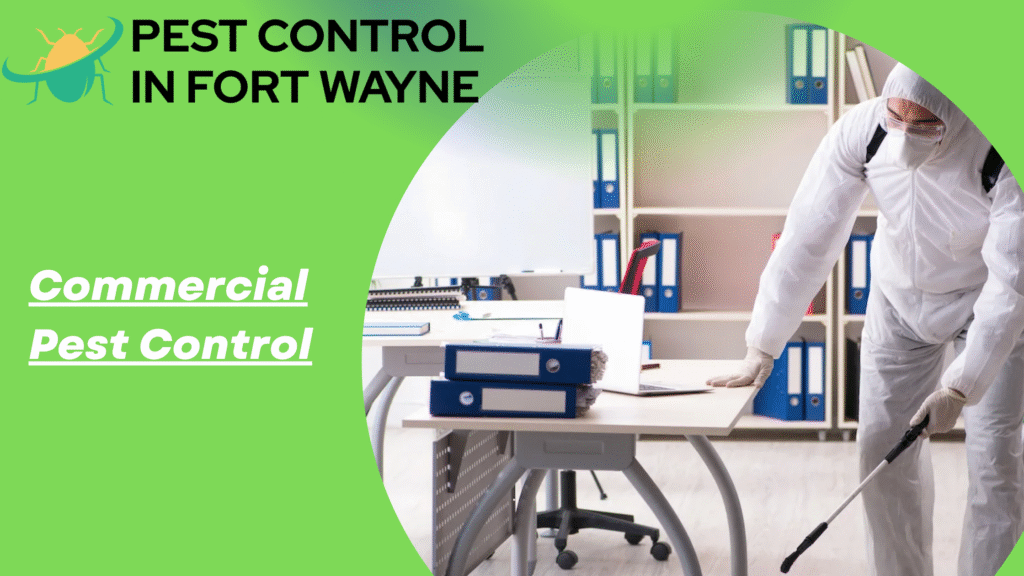
Every business, from bustling restaurants to quiet offices, faces the hidden threat of pests. A single infestation can disrupt operations, damage inventory, and destroy customer trust. That’s where commercial pest control comes in—a systematic, professional approach designed to protect your property, employees, and brand reputation.
Commercial pest management goes far beyond spraying chemicals. It’s a proactive, science-based process combining inspections, prevention, monitoring, and safe treatments. Whether you run a retail store, warehouse, school, or healthcare facility, maintaining a pest-free environment isn’t optional—it’s a legal and hygienic necessity.
With expert pest control services, businesses can comply with health codes, avoid costly damage, and maintain a clean image that customers notice immediately. Let’s explore how professional pest management works, what it costs, and why it’s an essential investment for every organization.
1. What Does Commercial Pest Control Mean?
Commercial pest control refers to professional services aimed specifically at business environments—larger, more complex, and more regulated than homes. Unlike residential pest control, which focuses on comfort and safety, commercial programs focus on continuous protection and compliance.
A comprehensive service includes:
-
Inspection & Identification – pinpointing pest activity, entry points, and risk zones.
-
Treatment & Removal – using targeted, approved methods for immediate relief.
-
Monitoring & Prevention – installing traps and using sensors for early detection.
-
Documentation & Reporting – keeping compliance records for audits and health inspections.
This integrated pest management (IPM) strategy minimizes pesticide use while maximizing prevention. It’s designed to protect both people and property—ensuring a healthy, pest-free workspace year-round.
2. What Do Commercial Pest Control Companies Use?
Professional pest control companies rely on a blend of advanced technology and eco-friendly products to manage infestations safely. Their toolkit goes well beyond off-the-shelf sprays.
Common tools and treatments include:
-
Baiting systems for rodents and cockroaches, which attract and eliminate pests discreetly.
-
Insect growth regulators (IGRs) to interrupt breeding cycles.
-
Heat and steam treatments for bed bugs and stored-product pests.
-
Eco-friendly chemical sprays made from botanical ingredients or low-toxicity compounds.
-
Digital monitoring devices that track pest activity in real time.
Modern pest control companies also prioritize green pest management. This means focusing on exclusion (sealing cracks, installing door sweeps) and sanitation improvements before applying chemicals. Such strategies keep workplaces safe for employees, customers, and the environment while delivering measurable, lasting results.
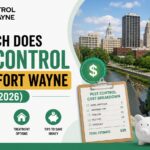
3. How Much Would It Cost for Pest Control?
Pricing for commercial pest control varies widely depending on several factors:
-
Size and layout of the facility (a restaurant kitchen vs. a large warehouse).
-
Type of pest (ants, rodents, roaches, termites, or flies).
-
Level of infestation and urgency of treatment.
-
Frequency of service (monthly, quarterly, or yearly).
| Service Type | Average Cost (USD) | Notes |
|---|---|---|
| One-time commercial treatment | $150 – $500 | Small issues or minor infestations |
| Monthly maintenance plan | $40 – $100 per visit | Preventive, ongoing service |
| Termite inspection + treatment | $700 – $2,500+ | Depends on infestation severity |
| Large facility quarterly contract | $300 – $900 per quarter | Warehouses, factories |
Investing in an ongoing plan usually proves more cost-effective than emergency treatments. Regular inspections catch problems early, preventing costly downtime or structural damage. Many professional providers also offer custom quotes and service guarantees, giving businesses budget predictability and peace of mind.
4. What Is the Difference Between Commercial and Residential Pest Control?
While both aim to eliminate pests, commercial pest control operates on a larger, more demanding scale.
Residential pest control focuses on individual homes, prioritizing safety, convenience, and family health. Treatments are usually simple and one-time, targeting visible infestations.
Commercial pest control, on the other hand, must address complex environments—restaurants, hospitals, offices—where pests can cause contamination or financial loss. These services involve:
-
Routine inspections and ongoing monitoring.
-
Customized treatment plans based on industry regulations.
-
Extensive documentation for compliance audits.
-
Fast response times to avoid business interruption.
In short, residential pest control keeps homes comfortable; commercial pest control keeps businesses operational, compliant, and safe.
5. Importance of Regular Pest Management in Commercial Properties
Routine pest management isn’t just a recommendation—it’s essential for every business that values its reputation. A single pest sighting can trigger health violations, customer complaints, or even product recalls.
Regular inspections and scheduled treatments help detect early signs of infestation before they spread. Cleanliness and preventive care also boost employee morale and reassure customers.
Industries such as food processing, hospitality, and healthcare must meet strict cleanliness codes. Having a preventive pest management plan ensures compliance and reduces costly risks. It also shows customers that your brand values hygiene and professionalism.
Regular pest management is the key to a safe, compliant, and trusted business.
6. Benefits of Hiring a Professional Pest Control Partner
Hiring a professional commercial pest control company saves you time, money, and potential headaches. These experts bring years of training, the latest technology, and advanced treatments designed specifically for business environments.
Professional technicians conduct thorough inspections, identify risk areas, and create custom pest management plans based on your industry’s needs. They also offer emergency response services, keeping disruptions minimal and employees safe.
Partnering with certified exterminators ensures regulatory compliance, up-to-date documentation, and eco-friendly practices that align with modern workplace standards. In short, professional pest control protects your assets while maintaining a clean, healthy business environment.
7. Common Pests Found in Commercial Properties
Pest problems in commercial settings can vary by industry, but some species are repeat offenders.
-
Rodents: Found in restaurants, warehouses, and storage facilities. They chew wiring, contaminate food, and spread disease.
-
Cockroaches: Thrive in kitchens and dark areas with moisture. They multiply quickly and pose major sanitation risks.
-
Ants: Invade office break rooms and cafeterias seeking sugar and water sources.
-
Flies: Common in food service areas, capable of spreading bacteria onto surfaces.
-
Termites: Quietly damage wooden structures and shelving, leading to expensive repairs.
-
Bed Bugs: Increasingly found in hotels, offices, and even retail spaces.
Recognizing these threats early and scheduling regular inspections helps prevent infestations before they disrupt your operations.
Frequently Asked Questions About Commercial Pest Control
1. What does commercial pest control mean?
Commercial pest control refers to professional pest management services tailored for business environments. It focuses on prevention, compliance, and safety rather than quick, one-time fixes. The goal is to protect customers, employees, and property year-round.
2. What do commercial pest control companies use?
They use advanced tools such as baiting systems, traps, and low-toxicity sprays. Many providers also integrate digital monitoring and eco-friendly techniques to reduce chemical use. Treatments are chosen based on pest type and the client’s environment.
3. How much would it cost for pest control?
Costs vary by business size, pest severity, and service frequency. Most ongoing plans range from monthly to quarterly visits. While one-time treatments may seem cheaper, consistent service prevents recurring infestations and long-term expenses.
4. What is the difference between commercial and residential pest control?
Residential pest control targets smaller areas like homes, focusing on family safety and comfort. Commercial pest control handles larger, more complex facilities with stricter regulations and constant monitoring requirements.
5. How often should a business get pest control services?
Most businesses schedule pest control monthly or quarterly, depending on their industry. Food-related industries or high-traffic properties often require more frequent visits. Regular service ensures consistent prevention and compliance.
6. Are commercial pest control treatments safe for employees and customers?
Yes. Professional exterminators use products approved by the EPA and apply them safely. Many companies now prefer green or low-odor treatments that allow businesses to stay open during service.
7. What pests are most common in restaurants and offices?
Restaurants often face issues with rodents, roaches, and flies due to food waste and moisture. Offices typically struggle with ants, spiders, or the occasional rodent. Each environment requires a customized approach.
8. Can commercial pest control prevent infestations before they start?
Absolutely. Prevention is the foundation of commercial pest management. Through inspections, sanitation plans, and entry-point sealing, pest control experts stop infestations before they ever begin.
9. Do commercial pest control companies provide documentation for compliance?
Yes, most offer detailed reports after each visit. These include treatment logs, pest activity data, and proof of compliance with health and safety standards. Such documentation is essential for audits or regulatory inspections.
10. Can pest control companies handle multiple locations for one business?
Many providers offer multi-site service plans for franchises and corporations. This ensures consistent standards, uniform reporting, and centralized management across all facilities.
Conclusion:
Pests can silently harm your business reputation, damage assets, and create unsafe conditions for customers and employees. With professional commercial pest control services, you can proactively safeguard your property and prevent costly infestations before they start.
Whether you operate a small café, a corporate office, or an industrial warehouse, consistent pest management is key to maintaining hygiene and compliance. Partnering with certified experts ensures reliable, eco-friendly protection year-round.
If you’re searching for trusted, local experts, our team provides customized commercial pest control in Fort Wayne and nearby areas. We offer inspections, maintenance plans, and fast emergency response.