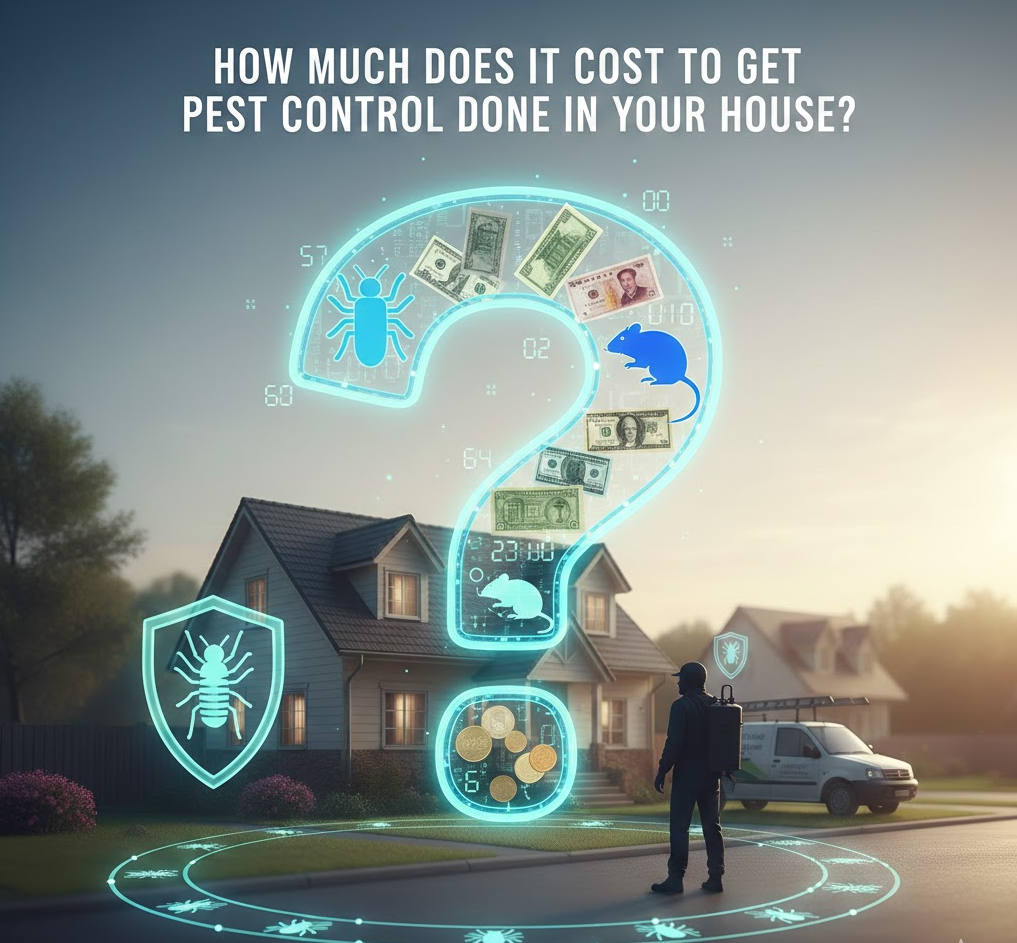
Many homeowners start searching for pest control only when the problem becomes impossible to ignore. Whether it is ants in the kitchen, cockroaches in the cabinets, mice in the attic, or bed bugs in the bedroom, every pest comes with a different treatment cost. The price can change based on your home size, the level of infestation, and the type of service required. In this guide, we explain everything you need to know about the cost of getting pest control done in your house and what factors influence it. This introduction will mention your website name once naturally, so here it is. Many families trust Pest Control in Fort Wayne to understand these costs clearly and choose the right treatment.
Understanding the price of pest control helps you plan better, avoid overpaying, and make sure you receive the right service for your home. Below, we break down the average costs, price factors, and how to save money while still getting effective results.
Average Cost of Pest Control for Homes
The average cost of pest control can range anywhere from a small general treatment to more advanced services. Homeowners usually choose between a one-time treatment and a long-term service plan.
General one-time pest control treatment:
Typically ranges from 50 dollars to 250 dollars, depending on home size and the type of pests.
Quarterly service plans:
Range between 200 dollars and 600 dollars per year. These include four-yearly visits and cover the most common household pests.
Monthly service plans:
Used for severe pest activity or large homes. These usually cost between 40 dollars and 70 dollars per month.
Specialized treatments:
Bed bugs and termites require advanced methods, making them more expensive than regular pest control.
The average homeowner usually spends between 100 dollars and 400 dollars for standard pest control, depending on the condition of their home and the difficulty of the treatment.
Factors That Affect Pest Control Prices
The exact price depends on several important factors. Each home is different, so professionals consider these points before giving a final quote.
1. Type of Pest
Different pests require different treatments. This is one of the biggest reasons for price differences.
- Cockroaches: Usually cheaper because they respond well to gels and sprays.
- Ants: Cost is moderate, depending on the species.
- Rodents: Slightly more expensive due to traps, sealing, and follow-up visits.
- Bed bugs: Very expensive because they are difficult to eliminate and often require heat treatment.
- Termites: The most costly pest because they can damage the entire structure of a home.
2. Size of the House
A smaller house may need only one technician and limited materials. A larger home, like a four-bedroom house, needs more labor, more chemicals, and more time.
3. Severity of the Infestation
A small problem is more affordable and quicker to fix.
A large infestation requires multiple treatments and follow-up visits, which increases the cost.
4. Treatment Method Used
The method depends on the pest type:
- Sprays
- Gels
- Baits
- Traps
- Heat treatment
- Liquid barrier treatment
- Insecticidal dust
Heat and fumigation treatments always cost more due to the equipment involved.
5. Location and Accessibility
If pests are hiding in walls, crawl spaces, the attic, or under flooring, the treatment cost increases. Hard-to-reach places require extra tools and time.
Sample Price Ranges for Common Household Pests
Every pest has its own pricing range. Here is a simple breakdown to help homeowners understand what they might expect.
Cockroach Control
Cost ranges between 80 dollars and 200 dollars for a standard home.
Gels and odorless sprays are common and usually require one or two visits.
Rodent Control
Ranges between 100 dollars and 300 dollars.
Rodent control includes inspection, traps, bait stations, and sealing entry points.
Ant Control
Ranges between 100 dollars and 250 dollars.
Some ant species, like carpenter ants, may cost more because they can damage wood.
Bed Bug Treatment
One of the highest-priced services.
Ranges between 500 dollars and 2,000 dollars, depending on the number of rooms and the treatment method.
Heat treatment is the most effective but also the most expensive.
Termite Treatment
The most expensive pest to treat.
Prices range from 1,000 dollars to 5,000 dollars, depending on colony size and type of treatment.
Liquid barriers, foam treatments, or baiting systems are common.
Cost of Specialized Pest Treatments
Some pests are more expensive because they require advanced technology and repeated visits.
Why Bed Bugs Cost More
Bed bugs hide in mattress seams, cracks, furniture, and electrical outlets.
Removing them requires detailed inspections, heat treatments, and follow-ups.
Professionals need more time and specialized equipment, which increases the cost.
Why Termites Are the Most Expensive
Termites cause damage that can affect the stability of your home.
Treatments require drilling, trenching, foam injection, or full perimeter barriers.
Some homes even need yearly inspections or baiting stations.
Because of the level of damage they can cause, termite treatment is considered an investment in home safety, not just a simple pest service.
Is Annual Pest Control Worth It?
Many homeowners save money by choosing an annual or quarterly pest control plan.
Here is why these plans are helpful:
- Prevent pests from returning
- Cover multiple pests under one plan.
- Costs less than calling for a new service each time
- Provide regular inspections
- Help spot problems early before they become expensive.
A yearly plan is ideal for homes that experience regular pest activity or live near wooded or moist areas.
How to Save Money on Pest Control
You can reduce your pest control costs by following a few simple steps:
- Treat the problem early
- Keep your kitchen and storage areas clean.
- Seal cracks and entry points.
- Fix leaks and moisture issues.
- Store firewood away from your home.
- Avoid clutter that attracts pests.
- Choose a service plan instead of one-time treatments.
Early detection is the key. The longer pests stay in your home, the more expensive the treatment becomes.
When to Call a Professional
You should contact a professional when:
- You see pests repeatedly
- There are signs of nesting or droppings.
- Pests are inside the walls or ceilings.
- Infestations spread to multiple rooms.
- DIY treatments stop working
Professionals know where pests hide and how to eliminate them. They also help prevent future problems.
Conclusion
The cost of pest control in your home depends on the type of pest, the size of your home, and the level of infestation. General treatments are affordable, while specialized services like bed bugs and termites cost more due to the tools and time required. Understanding these costs helps you choose the right service and avoid unnecessary expenses. Regular inspections and early detection can save you money and keep your home safe, healthy, and pest-free all year long.
FAQs
1. What is the average cost of home pest control?
Most homeowners pay between 100 and 400 dollars for a standard pest control treatment. Prices vary based on home size and the type of pest. Larger or more complex infestations cost more than a simple one-time service.
2. Why do some pests cost more to treat than others?
Pests like termites and bed bugs are harder to eliminate because they hide deep inside walls, furniture, or wood. These pests need special tools, more time, and repeated treatments, which increases the cost.
3. Does my home size affect the price of pest control?
Yes, larger homes need more materials, more time, and often more technicians. A three or four-bedroom home usually costs more than a small apartment or one-bedroom home.
4. Is one-time pest control enough for my house?
A single treatment works for minor infestations. However, recurring pests like ants, roaches, rodents, and spiders usually require follow-up visits or monthly or quarterly plans for long-term control.
5. Are annual service plans cheaper than frequent one-time visits?
Yes. Annual or quarterly plans are often more affordable because they prevent infestations before they grow. This reduces the need for expensive emergency treatments later.