Your home should be a place of comfort, safety, and peace — not a haven for pests. Yet, insects and rodents often find their way indoors for food, water, and shelter. From ants in the kitchen to spiders in the corners or termites damaging your foundation, pests can cause structural damage, spread diseases, and make your living spaces uncomfortable.
That’s where residential pest control comes in. Professional home pest management goes beyond quick DIY fixes — it’s a proactive, science-based approach designed to prevent infestations before they start. It combines inspection, treatment, and prevention methods customized for your home’s unique needs.
Whether you’re dealing with an ongoing problem or simply want to protect your home long-term, residential pest control helps maintain hygiene, safeguard your family’s health, and preserve property value. Let’s explore how it works, what it costs, and why hiring professionals is always worth it.
1. What Is Residential Pest Control?
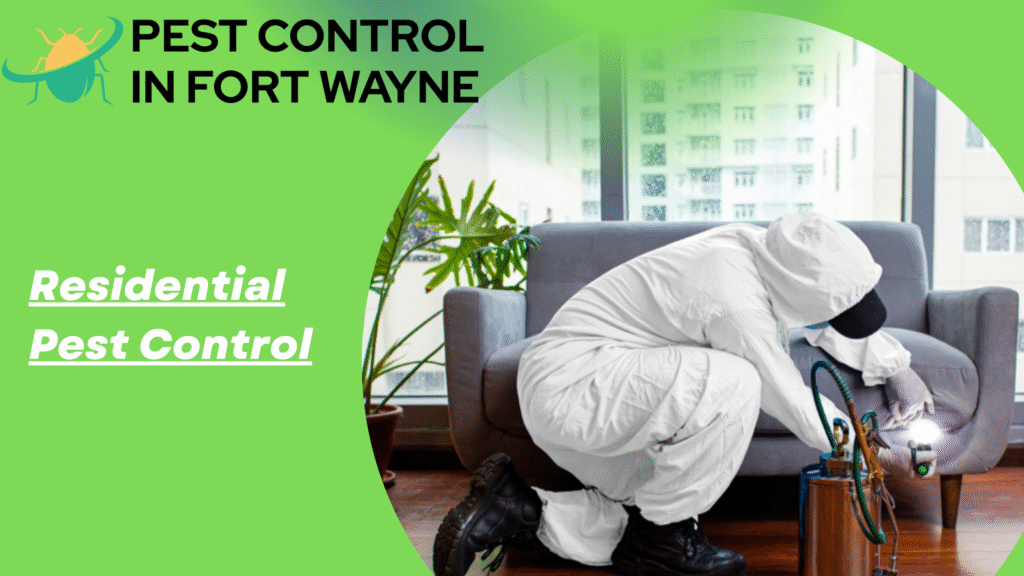
Residential pest control refers to professional pest management services designed specifically for homes and living spaces. Unlike commercial pest control, which handles large-scale properties, residential pest control focuses on comfort, safety, and prevention for families.
A typical residential service includes:
-
Inspection: Identifying pest species, entry points, and nesting areas.
-
Treatment: Applying targeted solutions (chemical, organic, or heat-based) to eliminate existing pests.
-
Prevention: Sealing cracks, cleaning moisture-prone areas, and installing protective barriers.
Common household pests include ants, cockroaches, spiders, termites, rodents, flies, and bed bugs. These pests thrive in warm environments, making kitchens, basements, and attics prime locations for infestation.
Residential pest control experts use Integrated Pest Management (IPM) techniques — balancing prevention, monitoring, and minimal pesticide use — to ensure long-lasting results without endangering your family or pets.
In short, residential pest control isn’t just about killing bugs; it’s about maintaining a healthy, pest-free living environment year-round.
2. Why Professional Pest Control Is Better Than DIY
DIY pest control methods — like sprays, traps, and powders — may offer temporary relief, but they rarely address the root cause of an infestation. Pests breed quickly and often hide in places homeowners can’t easily reach, making professional help essential for lasting results.
Here’s why hiring certified professionals is a smarter choice:
-
Accurate Identification: Technicians can identify pests correctly, which ensures effective, targeted treatment.
-
Safer Products: Professionals use EPA-approved, low-toxicity solutions that are safer for humans and pets.
-
Advanced Techniques: Methods like baiting systems, heat treatments, and eco-friendly sprays provide long-term protection.
-
Customized Solutions: Every home is unique, and experts tailor their treatments to your specific pest issue.
-
Guaranteed Results: Most pest control companies offer warranties or follow-up visits if pests return.
DIY treatments often miss hidden colonies or eggs, allowing pests to reappear within weeks. Professionals, however, understand pest behavior, life cycles, and seasonal trends — allowing them to stop infestations before they grow.
In the long run, professional pest control saves homeowners time, money, and frustration. It transforms pest management from a reaction to a prevention strategy, keeping your home truly protected.
3. Common Pests That Invade Homes
Pests can invade even the cleanest homes. Understanding which ones are most common — and the signs they leave behind — helps you act quickly before they become a serious problem.
Here are the main types of household pests:
-
Ants: Often found in kitchens and bathrooms, attracted to sugar and moisture.
-
Cockroaches: Thrive in dark, damp spaces and spread harmful bacteria.
-
Rodents (mice and rats): Chew wires, contaminate food, and cause costly damage.
-
Spiders: Seek quiet, undisturbed areas like basements and attics.
-
Termites: Silently destroy wood and compromise your home’s structure.
-
Bed Bugs: Hide in mattresses and furniture, causing bites and sleepless nights.
-
Flies and Mosquitoes: Spread disease and make outdoor living unpleasant.
Each pest type requires a different approach. For example, while ant infestations can often be controlled with bait traps, termites need professional-grade treatments to eliminate colonies hidden inside walls.
By scheduling regular home pest inspections, you can identify problems early and avoid costly repairs or infestations that spiral out of control.
4. Steps Involved in Residential Pest Control Treatment
Professional pest control services follow a structured process to ensure complete elimination and prevention. Here’s what you can expect during a typical visit:
-
Inspection & Assessment: The technician inspects your property, identifies pest species, and assesses damage or risk factors.
-
Customized Treatment Plan: Based on findings, a plan is developed using safe, targeted methods.
-
Treatment Application: Depending on the pest, this may include baiting, spraying, dusting, or heat treatments.
-
Monitoring & Follow-Up: Professionals often install monitoring traps or schedule follow-ups to ensure pests don’t return.
-
Prevention Advice: You’ll receive expert tips on maintaining a pest-free home — sealing gaps, reducing moisture, and managing waste.
Most companies use the Integrated Pest Management (IPM) model, which minimizes chemical use by focusing on prevention and long-term solutions.
This multi-step approach ensures that every stage — from detection to defense — is handled safely and effectively, protecting your home inside and out.
5. Cost of Residential Pest Control (≈200 words)
The cost of residential pest control depends on several key factors, including your home’s size, the type of pest, the level of infestation, and whether you need one-time or ongoing service. Larger homes and recurring infestations generally cost more because they require additional materials and time.
Here’s a breakdown of typical price ranges:
| Service Type | Average Cost (USD) | Details |
|---|---|---|
| One-time home pest treatment | $150 – $400 | Ideal for small infestations |
| Quarterly maintenance plan | $100 – $300 per visit | Prevents recurring pest issues |
| Termite inspection + treatment | $700 – $2,500+ | Depends on colony size and structure |
| Bed bug heat treatment | $1,000 – $2,000 | Whole-home eradication |
| Rodent control & sealing entry points | $200 – $600 | Includes traps and exclusion work |
Although one-time treatments can solve minor problems, homeowners often save more with annual or quarterly service plans. These provide consistent protection, reduce emergency costs, and ensure peace of mind year-round.
6. Benefits of Regular Residential Pest Maintenance
Regular pest control maintenance is the smartest way to keep your home pest-free all year long. Instead of waiting for infestations to grow, professional monitoring allows early detection and prevention.
With scheduled visits, technicians can identify seasonal pest threats, apply eco-friendly treatments, and seal new entry points. This approach also helps maintain a healthier environment — reducing allergens from droppings, dander, and insect debris.
Ultimately, routine pest maintenance saves homeowners from expensive structural repairs, contamination risks, and recurring infestations. It’s an affordable investment for a cleaner, safer, and more comfortable home.
8. Conclusion
Keeping your home pest-free requires more than a few traps or sprays — it demands consistent care, inspection, and expertise. With professional residential pest control, homeowners can eliminate active infestations and prevent future ones before they start.
Whether you’re battling ants, termites, or rodents, expert technicians provide safe, effective, and customized treatments designed for long-term results. Regular maintenance ensures your home remains a clean, comfortable, and healthy space for your family.
If you’re searching for reliable residential pest control in Fort Wayne, our team offers same-day service, eco-friendly options, and affordable maintenance plans tailored to your needs.
Frequently Asked Questions About Residential Pest Control
1. What does residential pest control include?
Residential pest control covers everything from inspection and treatment to long-term prevention of pests in and around your home. It targets common invaders like ants, roaches, spiders, termites, and rodents. Professionals create customized plans that ensure your living space stays clean, healthy, and pest-free all year.
2. How often should you get pest control at home?
Most homes benefit from pest control every three to four months, but the frequency depends on pest activity and location. In warmer climates or older homes, monthly visits may be necessary to maintain protection. Consistent scheduling ensures pests don’t return and that barriers remain effective season after season.
3. Are residential pest control treatments safe for pets and kids?
Yes — trusted pest control companies use family- and pet-safe treatments approved by the EPA. These solutions are applied with precision to minimize exposure while maximizing effectiveness. Many professionals also offer organic and eco-friendly alternatives for extra safety and peace of mind.
4. How long does pest control last in a house?
Most professional treatments last between 60 and 90 days, depending on the type of pest and product used. Weather, cleanliness, and pest activity levels can affect longevity. Regular follow-up visits help maintain consistent protection and ensure pests don’t return.
5. Can I stay home during pest treatment?
Yes, in most cases, you can remain home during standard pest treatments like spraying or baiting. The products used are safe once dry and leave little to no odor. However, for major services like termite fumigation or bed bug heat treatments, temporary relocation might be required for safety.
6. What pests are most common in homes?
The most frequent household pests include ants, roaches, spiders, rodents, termites, and bed bugs. These pests can cause damage, spread disease, or trigger allergies. Early detection and consistent pest management help prevent infestations from escalating into serious issues.
7. How much would it cost for pest control?
The average cost for residential pest control ranges between $150 and $400 for a one-time treatment. However, regular quarterly plans offer better value, ensuring year-round protection. Factors like home size, pest type, and infestation severity all influence final pricing.
8. What is the hardest household pest to get rid of?
Termites and bed bugs are notoriously tough because they hide deep in walls, furniture, or flooring. Over-the-counter sprays rarely reach these areas, so professional heat, fumigation, or bait systems are needed. Only certified exterminators can guarantee full eradication and long-term control.
9. What are the three types of pest control?
Pest control falls into three main categories: chemical, biological, and physical. Chemical control uses approved pesticides, biological control employs natural predators, and physical control uses barriers or traps. Modern professionals often combine all three in an Integrated Pest Management (IPM) approach.
10. What is a residential pest?
A residential pest is any insect or rodent that lives in or around homes and causes harm or discomfort. Common examples include ants, mice, termites, and cockroaches. These pests contaminate food, damage structures, and create unsanitary conditions if not properly managed.