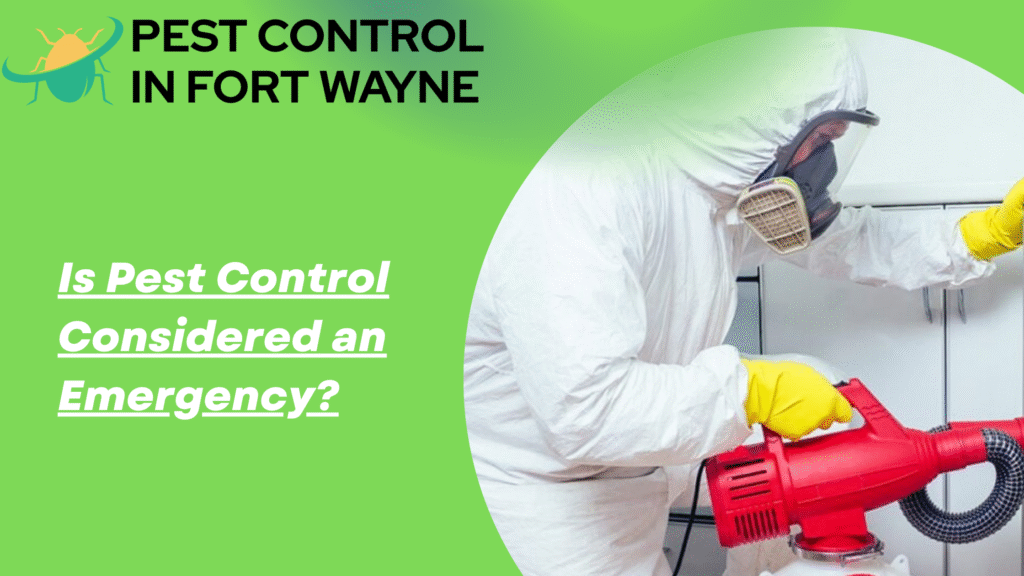
When pests suddenly appear in your home or business, it’s natural to panic and wonder—is this really an emergency? While some pest problems can wait for a regular appointment, others demand immediate attention. Ignoring certain infestations can lead to health risks, property damage, or costly repairs down the road.
In this article, we’ll help you understand when pest control becomes an emergency, how to identify serious situations, and why acting fast can save you time, money, and peace of mind.
When Does Pest Control Become an Emergency?
Not every pest issue needs a middle-of-the-night call, but there are situations where you should treat it seriously. Here’s when pest control becomes urgent and why quick action matters.
1. Health Risks from Dangerous Pests
Some pests are more than just a nuisance—they can threaten your family’s health. Rodents, cockroaches, mosquitoes, and bed bugs are all capable of carrying or spreading harmful bacteria and diseases.
-
Rodents can contaminate food and surfaces with Salmonella or hantavirus.
-
Cockroaches often trigger asthma and allergy symptoms, especially in children.
-
Mosquitoes can spread viruses like West Nile and Zika.
-
Bed bugs cause skin irritation, itching, and sleep loss.
If any of these pests are spotted inside your home, it’s time to call an emergency pest control expert immediately. The longer they remain, the greater the risk to your family’s health.
2. Structural Damage to Property
Certain pests don’t just invade—they destroy. Termites and carpenter ants, for example, can silently weaken the wooden structure of your home. Over time, this can lead to costly damage that requires major repairs.
Rodents are another serious concern, as they can chew through electrical wiring, insulation, or plumbing. This not only increases repair costs but can even pose a fire hazard.
If you hear scratching noises in your walls, find gnaw marks, or notice sagging floors and hollow wood, it’s best to contact emergency pest control services before the damage worsens.
3. Rapidly Growing Infestations
Some pests multiply incredibly fast. Ants, flies, and wasps can turn a small problem into a full-blown infestation within days.
You might start with a few ants in the kitchen, only to discover hundreds trailing along your countertops a week later. Flies can breed in garbage or drains, while wasps may form nests in attics or near entryways—posing a risk of painful stings.
If you notice sudden increases in pest activity, call a local pest control company right away. Swift treatment prevents the situation from spiraling out of control.
4. Disruption to Daily Life
Even if a pest isn’t immediately dangerous, it can make your home uncomfortable or unlivable. Bed bugs make sleeping difficult, cockroaches are distressing to see in the kitchen, and constant flies can ruin your meals.
These disruptions can cause stress, anxiety, and sleepless nights. If pests are interfering with your comfort or peace of mind, it’s worth treating the situation as an emergency. Acting early helps avoid emotional strain and stops the infestation from spreading further.
5. Sensitive or High-Risk Locations
Some environments simply cannot afford to wait. Hospitals, schools, restaurants, and daycare centers must meet strict cleanliness and safety standards. Even a single pest sighting in these spaces can result in fines, failed inspections, or a damaged reputation.
In such settings, immediate pest control service is non-negotiable. A professional exterminator can respond quickly to eliminate pests while ensuring safety and compliance with local health codes.
6. Pest-Related Odors and Contamination
If you notice strange smells, droppings, or greasy trails, it could be a sign of pest contamination. Rodents and insects often leave behind bacteria that contaminate food and air quality. The odor from decaying pests or droppings can also attract even more unwanted visitors.
This is another reason to act fast. A professional pest control team can sanitize the affected areas and eliminate all traces of infestation before it spreads.
How Much Does Emergency Pest Control Cost?
Emergency pest control costs vary depending on the pest type, infestation size, location, and response time. Since emergency services often require same-day or after-hours visits, they tend to cost slightly more than standard pest control treatments.
Most homeowners can expect to pay between $150 and $600 for typical emergency services, but prices can rise for severe infestations or hard-to-access areas. Quick action, however, usually saves you more in the long run by preventing extensive damage or recurring infestations.
Average Emergency Pest Control Cost Breakdown (2025 Estimates)
| Type of Emergency Pest Control Service | Typical Price Range | Details / Notes |
|---|---|---|
| General Pest Control (ants, roaches, spiders) | $150 – $350 | Includes inspection, treatment, and preventive measures. |
| Rodent Removal (rats, mice) | $200 – $600 | Costs depend on infestation size and property access. |
| Bed Bug Treatment (emergency) | $400 – $1,200 | Includes heat or chemical treatment for severe infestations. |
| Termite Control (urgent response) | $800 – $2,500 | Price varies by damage level and required barrier system. |
| Wasp or Hornet Nest Removal | $150 – $400 | Fast removal from attics, roofs, or outdoor areas. |
| Mosquito Control (same-day service) | $200 – $500 | Covers fogging or yard treatment for heavy infestations. |
| Flea or Tick Treatment | $250 – $450 | Focuses on pet areas and carpets; may need follow-ups. |
| Cockroach Infestation (emergency cleanup) | $250 – $600 | Includes baiting, spraying, and sanitation. |
| Wildlife or Dead Animal Removal | $300 – $700 | For raccoons, squirrels, or dead animal odors. |
| 24-Hour Full Property Pest Inspection | $100 – $200 | Initial same-day assessment before targeted treatment. |
What Affects Emergency Pest Control Pricing?
Several factors influence how much you’ll pay for emergency pest control:
-
Type of Pest: Termites and bed bugs are more expensive due to specialized treatments.
-
Severity: Larger or long-term infestations require multiple visits or advanced equipment.
-
Property Size: Bigger homes or commercial properties take longer to inspect and treat.
-
Timing: After-hours or weekend services may cost slightly more for rapid response.
-
Location: Urban areas with higher demand often have slightly higher service rates.
If you’re unsure what your situation qualifies as, contact a local pest control expert for an on-site inspection. Most companies provide free or low-cost estimates, even for emergency calls.
Pro Tip:
Booking a maintenance pest control plan after emergency treatment can prevent future infestations and reduce costs over time.
Why Fast Pest Control Response Matters
Delaying pest treatment may seem harmless at first, but it can quickly lead to bigger problems. Here’s why time is critical when dealing with infestations:
-
Pests breed rapidly: Many species can double in population within days.
-
Damage worsens over time: The longer pests remain, the more destruction they cause.
-
Health risks increase: Contamination spreads quickly across food, air, and surfaces.
-
Treatment costs rise: Early intervention is cheaper and more effective than major infestation cleanup.
Calling a professional 24-hour pest control company ensures your home or business is treated before the problem becomes overwhelming.
What to Do If You Suspect an Emergency Pest Situation
If you think you’re dealing with an urgent pest issue, here are quick steps to take:
-
Identify the pest – Try to take photos or note the signs (droppings, nests, noises).
-
Avoid DIY sprays – Over-the-counter chemicals may worsen infestations or drive pests deeper into walls.
-
Isolate the area – Keep kids and pets away from infested spaces.
-
Call a professional – Contact a local emergency exterminator for a same-day inspection.
Prompt action prevents further spread and ensures your safety.
Final Thoughts: When in Doubt, Call a Professional
Not every pest sighting is an emergency, but it’s always better to be cautious. Some pests can affect your health, damage your home, or disrupt your peace of mind. By acting quickly, you can avoid expensive repairs and long-term infestations.
If you’re unsure whether your problem requires urgent treatment, contact a trusted pest control service near you for advice. Professionals can assess the severity, provide safe solutions, and give you peace of mind—day or night.
Frequently Asked Questions (FAQs)
1. What qualifies as an emergency pest problem?
An infestation becomes an emergency when pests threaten health, cause structural damage, or spread rapidly. Rodents, termites, and bed bugs often fall under this category and need immediate attention.
2. Do pest control companies offer 24-hour emergency services?
Yes, many pest control companies offer 24/7 emergency assistance for severe infestations. This ensures you can get help even outside normal business hours when quick action is needed.
3. Can I use DIY sprays for an emergency pest problem?
DIY methods can help temporarily, but they often fail to reach hidden colonies or nests. Professional exterminators use advanced treatments that eliminate pests completely and prevent future infestations.
4. How do I know if my pest issue is serious?
If you see frequent pest activity, droppings, bite marks, or damage to furniture and walls, it’s a clear sign the infestation is serious. Contacting a pest control expert early is the safest option.
5. Are emergency pest control treatments safe for my family and pets?
Modern pest control solutions use eco-friendly and low-toxicity products. Technicians ensure all treatments are applied safely so your home remains protected without harming your loved ones.
6. How much does emergency pest control cost?
The cost varies depending on the pest type and severity, but most emergency treatments start around $150. Early intervention usually costs less than waiting until the problem spreads.
7. What pests are most likely to require urgent treatment?
Rodents, termites, cockroaches, bed bugs, and wasps are the most common emergency pests. These species spread quickly and pose significant health or property risks.
8. What should I do while waiting for pest control to arrive?
Avoid disturbing the pests or using strong chemicals. Keep doors and windows closed, secure food, and keep pets or children away from the affected area until professionals arrive.
9. How long does emergency pest control take?
Most emergency treatments take one to two hours, depending on infestation size. Some cases, like termites or bed bugs, may need follow-up visits for complete eradication.
10. Can regular pest control prevent future emergencies?
Absolutely. Routine pest inspections and maintenance plans help identify early warning signs and prevent infestations before they become emergencies.