When unwanted bugs, rodents, or critters show up in your home, you call a pest control company. But exactly what do they do? Do they simply spray pesticide and leave, or is there more to it? Knowing what pest control usually includes helps you set expectations, understand the cost, and make a smarter choice.
In this article, we’ll walk through the typical services a pest control provider performs from inspection to treatment, prevention, monitoring, specialised services, and up to how they communicate with you. You’ll also learn what to expect locally here in Fort Wayne, Indiana.
Initial Assessment & Inspection
One of the first steps any quality pest control company takes is a thorough inspection. This involves both the interior and exterior of your property.
- Identifying Pest Species & Infestation Level: The technician checks what kind of pests are present (ants, termites, rodents, bed bugs, etc.), how many, how long they’ve probably been there, and where exactly they are located (walls, attic, crawl spaces, foundation).
- Finding Contributing Conditions: They also identify what conditions make the infestation worse: moisture leaks, standing water, cracks or holes in walls or foundations, easy access routes, clutter or food waste. Without addressing those, treatments may fail.
- Reporting & Treatment Plan: After inspection, you should receive a report or verbal summary: what pests were found, how serious the situation is, and what treatment approaches are recommended, along with estimated cost and how many visits might be needed.
Treatment & Eradication Methods
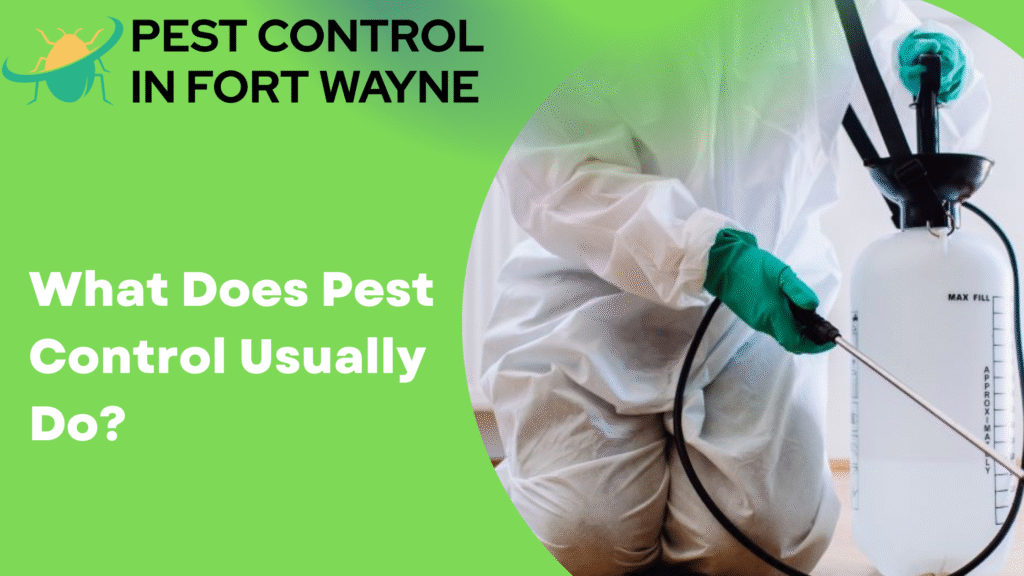
Once the assessment is done, pest control companies deploy various treatment strategies to remove the pests.
- Chemical Treatments: This may include sprays, residual insecticides, baits, and dust applications in cracks or voids. These are selected based on the pest type, location, safety, and whether the treatment area is inside or outside.
- Non-Chemical / Physical Methods: Examples include traps (snap traps, glue boards), barrier methods (screens, mesh), sealants for entry points, and physical removal of pests. These are often used in combination with chemical treatment or when chemicals are not suitable (pets, children, sensitive occupants).
- Specialised Treatments: For certain pests, more intensive measures may be needed. For termites, companies may create liquid barriers around the foundation, install bait stations, or do subterranean treatments. For bed bugs, heat treatments are sometimes used since they kill all life stages. Fumigation might be required for very severe or widespread infestations.
- Biological Treatments: Where feasible, natural predators, microbial agents, or insect growth regulators (IGRs) may be used to reduce pest populations in a more environmentally friendly way.
Throughout treatment, safety is paramount. The pest control provider should use approved chemicals, follow label instructions, ensure ventilation, warn occupants (especially children, pets, and pregnant women), and take protective measures.
Prevention & Exclusion
Pest control isn’t just about killing pests after they get in; it usually includes preventative work to stop them from coming back.
- Sealing Gaps & Entry Points: Cracks in foundations, gaps around doors/windows, unopened vents, and holes where pipes enter the house are all potential pest entry points. Sealing these is a common exclusion practice.
- Sanitation & Attractant Removal: Proper disposal of garbage, sealing food containers, removing standing water, keeping kitchens clean, managing moisture in basements, all these make a big difference.
- Environmental / Landscape Modification: Trimming vegetation away from structures, ensuring proper drainage, correcting soil contact with building materials, and removing wood debris near homes that can harbour pests.
- Physical Barriers & Deterrents: Use of mesh screens on vents, door sweeps, window screens, and sometimes fencing or netting for wildlife or birds. Even modifying landscaping design to deter pest harborage.
Monitoring & Follow-Up
A good pest control provider doesn’t just do one treatment and leave. They monitor results and follow up.
- Scheduled Visits & Re-Inspections: After initial treatment, visits might be scheduled to monitor progress, check for new pest activity, and re-treat if needed. Many companies offer regular maintenance contracts (quarterly, bi-monthly) to keep things under control.
- Monitoring Tools: Use of bait stations, traps that also function as early warning systems, sticky cards, moisture meters, and sometimes thermal imaging to find hidden infestations.
- Adjusting the Plan: Based on how well treatments are working, pest control may adjust products, frequency, and locations of treatments. Flexibility ensures more effective eradication.
- Guarantees / Warranty / Re-Treatment: Many companies guarantee their work, offering a free revisit if pests return within a certain period. Knowing these terms up front protects you.
Specialised Services
Besides general or “common pests” services, many pest control operations provide more specialised support.
- Termite Control: Inspection for termite damage, installing subterranean or above‐ground termite barriers, baiting systems, or liquid treatments around foundations. Termites often require more planning and possibly structural recommendations.
- Bed Bug Treatments: These can be particularly stubborn because of their small size, hiding spots, and egg stages. Heat treatments, steam, and multiple chemical treatments are often involved, combined with follow-ups.
- Rodent Control: Mice and rats require trap work, poison baits in secure locations, exclusion work to block entry points, often under foundations, in attics, and walls.
- Mosquito & Fly Control: Not just spraying, eliminating breeding grounds (standing water), larvicide work, treating outdoor perimeter, fogging if needed, and possibly misting systems.
- Wildlife Exclusion & Removal: For animals like squirrels, raccoons, bats, or birds, specialists may handle humane trapping, relocation (if legal), exclusion of openings, repairing entry points, and sometimes netting or spikes for birds.
Communication & Customer Education
What’s often as important as the physical work is how pest control providers communicate with you.
- Explaining the Issue: What pest was found, how serious the infestation is, and how it got there (if known). This helps you understand risk and urgency.
- Safety Guidance: What you need to do before treatment (e.g. move furniture, vacate rooms, cover food, remove or isolate pets), and what to avoid after treatment (ventilation, cleaning, children/pet exposure).
- Preventive Tips for Homeowners: After service, you’ll likely receive recommendations: how to maintain cleanliness, how to keep moisture under control, how to inspect periodically, how to seal any new cracks, etc.
- Transparency on Cost & Timeline: What the cost includes, how many visits are needed, when the technician will show up, how long the work will take, what warranty or guarantee is offered, so no surprises.
Why Fort Wayne Context Matters
If you live in Fort Wayne, IN, there are specific local factors pest control companies take into account.
- Local Pest Species & Seasons: Some pests are more active in summer (mosquitoes, termites), some seek indoor shelter in winter (rodents). Knowing local seasonal cycles helps schedule treatments effectively.
- Climate & Weather Effects: Humid summers, freezing winters, precipitation, these influence moisture, moulds, breeding grounds, entry points in building structure, etc.
- Building Types & Local Conditions: Older homes, basements, crawlspaces, foundation types, presence of wood siding or contact with soil all factor into what methods are used.
- Regulations & Licensing: Indiana has licensing requirements for pesticide applicators; local rules may govern what chemicals or techniques are allowed. Also, safe disposal laws, environmental protection measures come into play.
Frequently Asked Questions
How long does a typical pest control job take to show results?
The timeline depends heavily on the type of pest, the severity of infestation, and the methods used. For many common pests like ants or spiders, noticeable reduction may occur within a few days to a week. But for more stubborn pests termites, bed bugs, or rodent nests, full eradication may take several weeks and multiple visits. Following professional recommendations and keeping preventive measures up helps speed up results.
Will I need to leave my home during treatment?
In many cases, you will not need to vacate your home. For standard treatments like perimeter sprays or baiting, occupants can usually remain, though precautions are taken (covers, ventilation). However, for more intense treatments, fumigation, heavy chemical use, and heat treatments (e.g., for bed bugs), you may be asked to leave temporarily during the process and until the treatment has settled or cooled. The pest control provider should clearly outline any required periods of absence ahead of time.
How do pest control companies ensure safety for kids and pets?
Reputable providers use products registered with relevant regulatory bodies, apply treatments in ways that minimise exposure, and follow safety guidelines. They’ll advise you on steps to protect your family: sealing up food, covering surfaces, removing or confining pets, and ventilating rooms after treatment. Also, many use lower-toxicity or “green” products, especially indoors or in sensitive areas. Always ask about safety measures and product labels.
How often should pest control services be scheduled?
Frequency depends on risk factors: how often pests appear, the climate, the structure of the home, local pest pressure, and previous infestations. A common schedule is a quarterly service (every three months) for ongoing prevention. Homes with high pest risk (e.g., moisture issues, wood vs soil contact, many entry points) may require more frequent service. Also, seasonal treatments for termites or mosquitoes may be added.
What does treatment cost, and what factors affect price?
Cost varies based on pest type (rodents, termites, bed bugs cost more than ants/spiders), size of property, severity of infestation, how many visits are required, whether specialised treatments (heat, fumigation) are needed, and whether preventive/exclusion work is included. Location also affects cost, a Fort Wayne home vs a larger or more remote property. Always ask for detailed, itemised quotes.
Does pest control prevent pests from returning permanently?
While no method guarantees zero chance of reappearance forever, a combination of proper treatment, thorough exclusion, sanitation, and regular monitoring greatly reduces recurrence. Preventive maintenance plans (e.g. sealing, regular inspections, and timely treatment) help maintain pest-free status. Ignoring small entrance points, moisture, or food sources often leads to new infestations.
Do pest control companies treat the entire house or only problem areas?
It depends. Some treatments are targeted: only where the pests or likely entry points. Others are whole-house or whole‐exterior sprays or treatments. For example, bed bug work usually requires treating all hiding spots, cracks in multiple rooms; termite work may require treating the foundation perimeter. The scope will be part of the treatment plan proposed after inspection.
Can I use DIY methods instead of hiring a professional?
DIY methods can help with small, early infestations, sticky traps, store sprays, exclusion, and cleaning. But for larger infestations, hidden nests, or pests that cause structural damage (termites, rodents), professionals have better tools, expertise, safety, and lasting results. Also, improper use of chemicals can be unsafe and ineffective, possibly worsening resistance.
What should I ask from a pest control company before agreeing?
Key things: ask for licensing/credentials, review the inspection report, understand what pests they cover, what methods they’ll use (chemical vs non-chemical), safety precautions, whether guarantees/warranties or follow-ups are included, clear cost estimates, how many visits are needed, how to prepare, and what you need to do afterwards.
Are there eco-friendly or low-chemical pest control options?
Yes, many companies offer eco-friendly solutions. These may include using less toxic or “green” pesticides, biological control agents, heat or steam treatments, traps, and a strong emphasis on prevention/exclusion rather than ongoing chemical sprays. In Fort Wayne, local companies often adapt to offer such options. If this matters to you, make sure to discuss it up front and ask whether they have certifications or product labels reflecting reduced environmental impact.
Conclusion
In summary, pest control companies usually don’t just spray some chemicals; they perform a detailed inspection, identify root causes, apply treatments (chemical, physical, biological), do preventive and exclusion work, monitor, follow up, and provide education and communication. The best services are proactive rather than reactive, ensuring pests are not just removed but kept away.
If you’re in Fort Wayne and have noticed pests or want to prevent a problem before it starts, a professional inspection is your first step. Contact a licensed local pest control provider today for a thorough assessment and quote. Peace of mind is worth it.