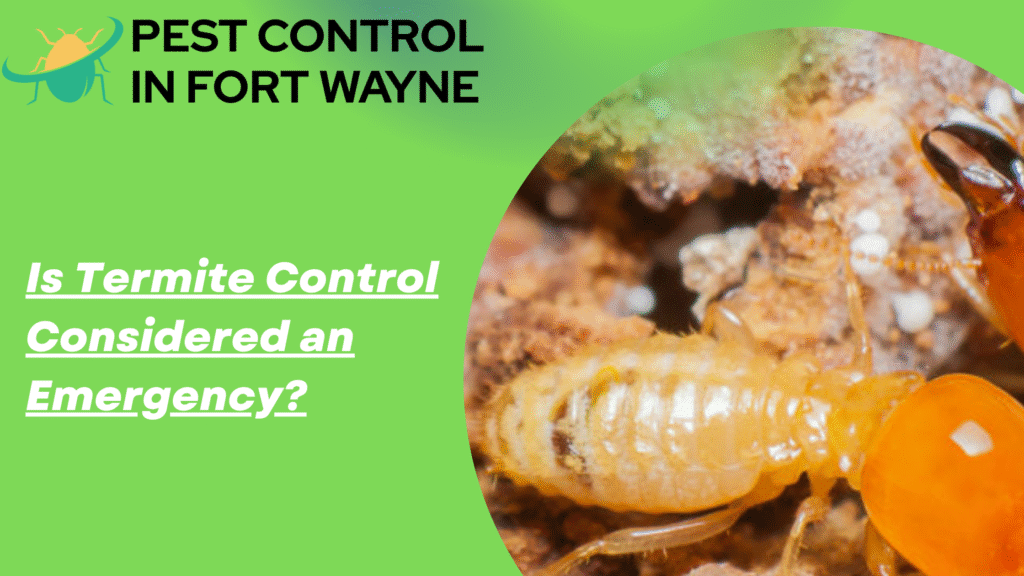
Termites are often called silent destroyers for a reason. They can live inside your walls, floors, or foundation for months—sometimes even years—without being noticed. By the time most homeowners spot visible signs of damage, the colony has already caused significant structural harm. That’s why many people ask the same question: Is termite control considered an emergency?
The answer is yes—in most cases, it should be treated as one. Unlike a few ants in your kitchen, termites eat away at your property every hour they go untreated. Acting fast could mean the difference between a simple treatment and thousands of dollars in repairs.
Why Termite Control Is an Emergency Situation
When you find evidence of termites, time isn’t on your side. These insects feed on wood 24 hours a day, quietly compromising the safety of your home. The longer you wait, the more serious—and expensive—the problem becomes.
1. Termites Cause Continuous Structural Damage
Termites never sleep. They’re active year-round, tunneling through beams, floors, and furniture. Over time, they can weaken a home’s foundation, walls, and roof. Even a small colony can eat through a foot of 2×4 lumber in just a few months. That’s why emergency termite control services are essential once you notice the first warning signs.
2. Damage Often Goes Unnoticed Until It’s Too Late
Unlike pests that make noise or leave droppings, termites usually stay hidden. Most homeowners only realize they have a problem when the wood starts crumbling or doors and windows stop closing properly. By that point, the infestation has often spread across multiple areas.
3. Insurance Doesn’t Usually Cover Termite Damage
Most home insurance policies exclude termite damage, considering it preventable with routine inspections. That means every day you delay treatment increases potential repair costs that come straight out of your pocket.
4. Termites Multiply Quickly
A mature termite colony can contain hundreds of thousands—even millions—of members. Each queen can lay thousands of eggs per year. Without immediate professional treatment, a small issue can turn into a full-scale emergency before you realize it.
Signs You May Need Emergency Termite Control
Termites are sneaky, but they leave clues behind. If you notice any of the following signs, you likely need immediate termite inspection or emergency pest control service:
-
Hollow-sounding wood when tapped
-
Mud tubes on walls or foundations
-
Piles of discarded wings near doors or windows
-
Sagging floors or bubbling paint
-
Tiny holes or pin-sized marks in wooden surfaces
-
Peeling wallpaper that resembles water damage
If you spot even one of these symptoms, it’s best to contact a local termite exterminator near you for a same-day inspection.
Emergency Termite Treatment Options
When you call a professional for emergency termite service, they’ll first perform a detailed inspection using specialized tools such as moisture meters and infrared scanners. Once they confirm the type and extent of infestation, they may recommend one or more of the following treatments:
1. Liquid Termite Treatments
Liquid termiticides are applied around the foundation to create a protective barrier. This prevents termites from entering and kills those already inside. It’s fast, effective, and ideal for large infestations.
2. Termite Baiting Systems
Bait stations are placed strategically around your home. Termites feed on the bait and carry it back to their colony, spreading it to others. This is a long-term but highly effective control method.
3. Fumigation for Severe Infestations
In extreme cases, fumigation may be necessary. It involves sealing the structure and introducing gas that penetrates deep into wood, eliminating termites in all stages of life. Although more costly, it’s the best option for widespread damage.
4. Preventive Treatments
Once the infestation is gone, ongoing monitoring and preventive barrier treatments are essential. Professional termite plans ensure colonies don’t reestablish themselves.
How Much Does Emergency Termite Control Cost?
The cost of emergency termite treatment depends on the infestation size, treatment type, and property layout. On average, homeowners spend between $800 and $2,500 for emergency services.
Here’s a general cost breakdown:
| Type of Service | Average Cost (2025) | Details |
|---|---|---|
| Inspection Only | $100 – $250 | Detailed termite inspection and damage report |
| Liquid Barrier Treatment | $800 – $1,800 | Fast protection for large or active infestations |
| Termite Bait System Installation | $1,200 – $2,500 | Includes monitoring stations and ongoing service |
| Fumigation (Whole Structure) | $2,000 – $4,000 | Best for widespread or hidden infestations |
| Preventive Treatment | $200 – $600 | Routine service to stop new termite activity |
Emergency visits may include a small after-hours surcharge, but fast action often prevents much higher repair costs later.
How to Prevent Termite Emergencies in the Future
-
Schedule Regular Inspections: Annual or semiannual termite inspections catch early signs before they become emergencies.
-
Eliminate Moisture Sources: Termites thrive in damp areas. Fix leaks and improve ventilation around basements and crawl spaces.
-
Keep Wood Away from Soil: Store firewood and mulch at least 18 inches away from your home’s foundation.
-
Seal Cracks and Entry Points: Close gaps in foundations, doors, and windows to block easy access.
-
Maintain Preventive Treatments: A professional protection plan ensures continuous coverage and peace of mind.
Why You Shouldn’t Delay Termite Treatment
Delaying termite treatment may seem harmless if you don’t see major damage—but every day counts. Termites don’t take weekends off, and even a small colony can consume pounds of wood in a month. Waiting for visible signs could mean the infestation has already reached the foundation or support beams.
In short, if you suspect termites, it’s not just a home improvement task—it’s an emergency home protection priority.
Frequently Asked Questions (FAQs)
How do I know if I have a termite emergency?
If you notice signs like hollow-sounding wood, mud tubes on walls, or flying swarmers indoors, you could be facing a termite emergency. These symptoms indicate an active infestation that’s already damaging your home’s structure. The sooner you call a professional, the less damage and cost you’ll face later.
How quickly should I schedule termite control after spotting signs?
You should contact a pest control expert immediately after discovering any indication of termites. Waiting even a few weeks can allow colonies to expand and cause costly structural damage. Prompt inspection and treatment can stop the infestation before it worsens.
Are termites dangerous to human health?
While termites don’t directly harm humans, they can indirectly affect your safety and comfort. Structural damage from long-term infestations can weaken floors and walls, creating unsafe living conditions. Additionally, mold growth in termite-damaged wood may cause allergic reactions or respiratory issues.
Can I treat termites on my own in an emergency?
DIY termite treatments often fail to reach deep colonies hidden inside walls or soil. Professional exterminators use advanced tools, chemical barriers, and bait systems that fully eliminate infestations. In emergencies, expert help ensures complete and lasting protection for your property.
How much does emergency termite treatment cost?
Emergency termite control usually costs between $500 and $2,500, depending on the infestation’s size, severity, and treatment type. Below is an estimated cost range:
| Service Type | Average Cost |
|---|---|
| Inspection & Basic Spot Treatment | $150 – $400 |
| Full-Home Liquid Treatment | $800 – $2,000 |
| Termite Baiting System | $1,000 – $2,500 |
| Emergency Same-Day Service | $250 – $500 (additional) |
Getting quotes from local termite specialists helps you understand exact pricing and response times for your area.
How can I prevent future termite emergencies?
Schedule annual termite inspections, fix leaky pipes, and keep wood or mulch away from your home’s foundation. Sealing cracks and maintaining proper ventilation also helps prevent moisture buildup. Prevention costs far less than repairing damage after an infestation.
Is termite control really an emergency?
Yes. Termites cause continuous damage that worsens with time. Treating them as an emergency helps prevent major structural issues and costly repairs.
How soon should I call an exterminator after spotting termites?
Immediately. The sooner you call, the easier it is to control the infestation and minimize damage. Waiting even a few days can worsen the situation.
Who should I call for emergency termite service?
Contact a licensed termite exterminator near you or a 24-hour pest control company. They can provide same-day inspection and fast treatment options.
How can I tell if my home has termites or ants?
Termites have straight antennae and equal-sized wings, while ants have bent antennae and smaller back wings. A professional inspection can confirm the difference.
What’s the fastest way to get rid of termites?
Liquid barrier treatments and fumigation provide rapid elimination. The best choice depends on how widespread your infestation is.
Are emergency termite treatments safe for my family and pets?
Yes. Modern termite control uses eco-friendly products that are safe when applied by licensed professionals.
Can I handle a termite problem myself?
DIY termite control rarely works long-term. Professionals have the right tools, chemicals, and experience to eliminate colonies completely.
How long does a termite treatment last?
Liquid treatments last up to 5 years, while bait systems require monitoring every few months for lasting protection.
Are termites active in winter?
Yes. While they slow down in colder weather, termites remain active inside warm homes and continue feeding.
How can I prevent another termite emergency?
Regular inspections, moisture control, and annual preventive treatments are the best ways to avoid future termite infestations.