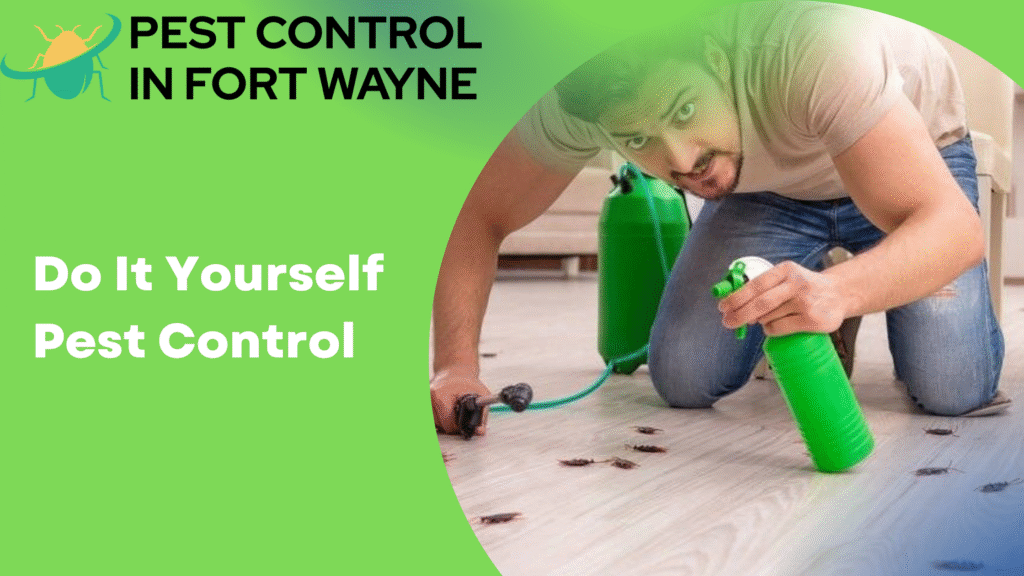
Dealing with pests in your home can be frustrating, costly, and sometimes downright overwhelming. Whether it’s ants in the kitchen, mice in the attic, or roaches hiding behind your fridge, the first instinct is often to call in a professional. But here’s the truth: with the right tools, knowledge, and consistency, many pest issues can be solved or even prevented with a do-it-yourself (DIY) approach.
DIY pest control is not only more affordable, but also gives you greater control over what products and methods you use, especially if you’re aiming for non-toxic or eco-friendly options. In this guide, we’ll walk you through effective at-home strategies to get rid of common pests, how to prevent them from coming back, and when it’s time to call in a pro.
What Is DIY Pest Control?
DIY pest control is the practice of managing or eliminating pests in your home using non-professional methods. This may include:
-
Natural repellents (like peppermint oil or vinegar)
-
Store-bought traps or sprays
-
Sealing entry points and maintaining cleanliness
-
Homemade bait recipes using common household items
Homeowners turn to DIY methods for several reasons: to save money, to avoid exposure to chemicals, or simply because the problem isn’t severe enough to require professional intervention.
Is DIY Pest Control Effective?
Yes, DIY pest control can be effective—especially for mild to moderate infestations or as a proactive measure. Many homeowners successfully manage pests like ants, spiders, fruit flies, and even rodents using simple tools and readily available materials.
However, it’s important to recognize that DIY methods are not always the right solution for every pest issue. For example:
✅ DIY works best when:
-
You’re dealing with a small, localized pest problem
-
You want to prevent pests before they arrive
-
You prefer natural, non-toxic solutions
🚫 DIY may not work when:
-
You’re facing a large-scale infestation
-
Pests are damaging your home (e.g., termites)
-
You’ve tried and failed multiple DIY approaches
The key is to start early, stay consistent, and monitor results carefully.—
Common Household Pests & DIY Solutions
Let’s dive into some of the most common pests you might encounter and how to handle them yourself.
1. Ants
Ants are one of the most frequent household pests. They’re tiny, persistent, and quick to form trails into your pantry or kitchen.
🛠️ DIY Solutions:
-
Mix 1 part borax with 3 parts powdered sugar. Place in shallow containers near ant trails. The sugar attracts ants, while borax disrupts their digestive system.
-
Use a vinegar and water spray (1:1 ratio) to destroy scent trails.
-
Seal entry points around windows, doors, and baseboards.
🧼 Prevention Tips:
-
Keep counters clean and food sealed.
-
Empty trash frequently.
-
Wipe down surfaces to remove crumbs and spills.
2. Cockroaches
Roaches thrive in warm, dark, and damp environments—making kitchens, bathrooms, and basements ideal hiding spots.
🛠️ DIY Solutions:
-
Combine baking soda and sugar in equal parts. Place in small containers near suspected hiding spots.
-
Use diatomaceous earth (DE)—a natural, non-toxic powder that dehydrates insects. Sprinkle it lightly under appliances and in corners.
-
Keep your home dry; fix leaks and reduce humidity.
🧼 Prevention Tips:
-
Don’t leave pet food out overnight.
-
Avoid clutter and cardboard storage (roaches love cardboard).
-
Vacuum and mop regularly.
3. Mice & Rodents
Rodents can cause damage by chewing wires, insulation, and even wooden structures. They also carry bacteria and diseases.
🛠️ DIY Solutions:
-
Use peanut butter-baited snap traps or humane traps.
-
Seal holes and cracks using steel wool and caulk—mice can squeeze through holes as small as a dime!
-
Sprinkle peppermint oil or place peppermint-soaked cotton balls in areas where you’ve seen activity. The smell acts as a deterrent.
🧼 Prevention Tips:
-
Store food in sealed containers.
-
Keep your garage and attic clean and clutter-free.
-
Take trash out regularly and keep lids tightly closed.
4. Mosquitoes
Mosquitoes aren’t just annoying—they’re also carriers of diseases like West Nile virus and Zika. Controlling them is essential, especially during warmer months.
🛠️ DIY Solutions:
-
Use essential oils like lemon eucalyptus, citronella, or lavender in a spray bottle with water. Spray around windows, door frames, and outdoor sitting areas.
-
Burn citronella candles or incense when relaxing outdoors.
-
Install fine-mesh window and door screens to keep them out.
💧 Eliminate Standing Water:
Mosquitoes breed in even the smallest pools of stagnant water. Be sure to:
-
Empty plant saucers, buckets, birdbaths, or pet bowls regularly.
-
Clean gutters to avoid pooling rainwater.
-
Cover or empty outdoor containers when not in use.
5. Spiders
Spiders help reduce other insect populations, but can become a problem if they’re nesting inside your home.
🛠️ DIY Solutions:
-
Mix peppermint oil and water in a spray bottle and spray baseboards, corners, and window sills.
-
White vinegar mixed with water (50/50) is also an effective repellent.
-
Use a vacuum to remove webs and egg sacs as soon as they appear.
🧼 Prevention Tips:
-
Declutter closets, garages, and storage areas.
-
Store shoes and clothing in sealed containers or bins.
-
Keep exterior lights off or switch to yellow bug lights (which attract fewer insects that spiders feed on).
6. Fruit Flies
These tiny pests often show up around ripe fruit, trash cans, and sink drains. While harmless, they multiply rapidly and can be difficult to remove once established.
🛠️ DIY Solutions:
-
Create a trap using a small bowl of apple cider vinegar covered with plastic wrap. Poke small holes in the wrap—flies get in but can’t escape.
-
Clean your kitchen sink drains with a mix of baking soda and vinegar.
-
Store fruits and veggies in the fridge until needed.
🧼 Prevention Tips:
-
Take out trash and recycling frequently.
-
Keep kitchen counters dry and clean.
-
Wash produce right after bringing it home.—
Natural Pest Control Remedies
Many homeowners are turning to natural, non-toxic pest control options for safety, health, and environmental reasons. Here are some of the most effective natural substances used in DIY pest control:
🟢 1. Vinegar
-
Used as a repellent for ants and fruit flies.
-
Spray around baseboards and entry points.
🟢 2. Diatomaceous Earth (Food Grade)
-
A fine powder made from fossilized plankton that kills insects by dehydrating them.
-
Safe for pets and humans but deadly for crawling bugs like roaches, ants, and silverfish.
🟢 3. Peppermint Oil
-
Works well to repel spiders, mice, ants, and more.
-
Mix 10–15 drops with water in a spray bottle and apply to pest-prone areas.
🟢 4. Citrus Peels
-
The oils in citrus peels repel spiders and ants.
-
Rub them along baseboards or window sills.
🟢 5. Baking Soda
-
Combined with sugar, it acts as a deadly bait for cockroaches.
-
It can also help clean and deodorize pest-prone areas.
Natural options are especially valuable in homes with children, pets, or those with chemical sensitivities.—
DIY Pest Control Tools You’ll Need
Having the right tools makes your DIY efforts easier and more effective. Here’s a list of affordable, must-have items:
🧰 Essential DIY Pest Control Kit:
-
Spray bottles (for vinegar, essential oils)
-
Caulking gun (to seal cracks and holes)
-
Flashlight (to inspect dark corners and attics)
-
Steel wool (to block rodent entry points)
-
Sticky traps (for spiders, flies, and roaches)
-
Diatomaceous earth and duster/applicator
-
Gloves and a dust mask (for safety)
-
Small containers or lids (for homemade baits and traps)
Stocking up on these tools means you’ll be ready to tackle common pest problems at the first sign.
DIY Pest Prevention Tips
As the saying goes: “An ounce of prevention is worth a pound of cure.” Pest control starts with stopping problems before they begin.
🛡️ Here’s how to keep your home pest-free:
-
Seal all cracks, holes, and gaps around doors, windows, pipes, and foundations.
-
Clean up food and drink spills immediately.
-
Store all food (including pet food) in sealed containers.
-
Empty trash regularly and keep lids on tight.
-
Trim back trees, bushes, and overgrown landscaping near the house.
-
Avoid leaving pet bowls or bird seed out overnight.
-
Keep firewood stored at least 20 feet from the house.
Consistency is the most important part of prevention. A clean, sealed, and well-maintained home is far less likely to experience a pest invasion.
When NOT to DIY Pest Control
While do-it-yourself pest control is effective for many common pests, it’s not always the right solution. In certain situations, relying solely on DIY methods can lead to prolonged infestations, increased damage, or health hazards.
Here are a few examples of when to step back and let professionals handle it:
🚫 1. Termite Infestations
Termites are silent destroyers and can go unnoticed for months while damaging your home’s structure. DIY termite treatments are rarely effective long-term. You’ll need professional-grade baits and barrier systems.
🚫 2. Large or Persistent Infestations
If you’ve tried multiple home remedies and the pest problem persists—or worsens—it’s time to bring in a licensed pest control technician. Chronic issues usually require deeper inspection, professional equipment, or chemical treatment.
🚫 3. Wildlife Intrusion
Raccoons, squirrels, bats, and other wildlife often nest in attics or crawl spaces. DIY removal can be dangerous and illegal without proper permits. Professionals use humane and legal exclusion methods.
🚫 4. Stinging or Dangerous Pests
Pests like wasps, hornets, venomous spiders, or certain ant species (e.g., fire ants) can pose health risks. DIY attempts can provoke attacks. Professionals are trained to handle them safely.
🚫 5. Pest-Related Health Risks
Rodents, cockroaches, and fleas can transmit diseases through droppings or bites. If you’re concerned about your health, don’t hesitate to get help immediately.
Pros and Cons of DIY Pest Control
Let’s weigh the advantages and disadvantages of taking pest control into your own hands.
✅ Pros of DIY Pest Control
- 💰 Cost Savings: DIY solutions are generally much cheaper than professional treatments.
- 🧼 Control Over Ingredients: You can choose non-toxic and eco-friendly options, especially important for households with pets or kids.
- 🛠️ Immediate Action: No waiting for an appointment—you can start solving the problem right away.
- 📚 Learning Opportunity: You become more aware of pest habits, entry points, and prevention techniques.
❌ Cons of DIY Pest Control
- ⏳ Time-Consuming: Some treatments require frequent reapplication or monitoring.
- 🧪 Inconsistent Results: Not all pests respond to home remedies, and results can vary based on infestation severity.
- 📉 Limited Tools: You may lack access to the equipment or chemicals that professionals use.
- ⚠️ Potential Risk: Misuse of products (even natural ones) can lead to unintended health or environmental effects.
DIY vs. Professional Pest Control: What’s the Difference?
Here’s a quick comparison to help you decide whether to stick with DIY or call in a professional.
| Aspect | DIY Pest Control | Professional Pest Control |
|---|---|---|
| Cost | Low upfront cost | Higher initial cost |
| Convenience | Immediate, on your schedule | Scheduled visits |
| Effectiveness | Good for minor issues | Best for severe or hidden infestations |
| Product Options | Limited, mostly store-bought or natural | Wide range, including commercial-grade solutions |
| Risk | Low for mild issues; high if misapplied | Minimal risk (trained technicians) |
| Long-Term Results | Varies depending on technique | Often guaranteed with follow-ups |
| Customization | DIY solutions may be trial and error | Professionals offer tailored plans |
📝 Verdict: DIY pest control is ideal for proactive homeowners and minor infestations. But when the situation escalates or involves structural damage, hire a professional for peace of mind.
Final Thoughts
DIY pest control empowers homeowners to protect their homes using safe, cost-effective, and environmentally friendly methods. From natural repellents and homemade baits to sealing up cracks and installing screens, many pest issues can be prevented or resolved without calling an exterminator.
But like any home maintenance task, pest control requires knowledge, attention to detail, and regular upkeep. Know your limits, stay educated, and don’t be afraid to seek professional help when needed.
Whether you’re battling ants in the kitchen, mosquitoes in the yard, or mice in the garage, the tools and techniques covered in this guide can help you take control on your terms.
FAQ: DIY Pest Control
1. Can I do pest control on my own?
Yes, many common pests can be managed using DIY pest control methods. Home remedies, store-bought products, and good sanitation often work well. However, larger infestations may require professional help.
2. What is the hardest pest to get rid of?
Termites and bed bugs are considered the most difficult pests to eliminate. They hide deep in walls and furniture, making DIY control tough. Professional treatment is often necessary for full eradication.
3. Does do it yourself pest control work?
Yes, DIY pest control is effective for small infestations and preventative measures. Natural remedies and over-the-counter traps or sprays can manage common pests. Success depends on consistency and early action.
4. Do it yourself pest control for roaches?
DIY roach control includes baits made from baking soda and sugar, or using diatomaceous earth. You should also clean regularly and seal entry points. Roaches can be stubborn, so repeat treatments may be needed.
5. How to 100% get rid of roaches?
To eliminate roaches completely, combine sanitation, baiting, and sealing off access points. Use professional-grade gel baits and traps for best results. In severe cases, professional extermination may be required.
6. Where do roaches hide during the day?
Roaches hide in dark, moist places like behind appliances, under sinks, and inside wall cracks. They avoid light and often nest near food and water sources. Finding and treating these hiding spots is key.
7. How much does it cost to do pest control yourself?
DIY pest control typically costs $20–$100, depending on the products used. Natural remedies are often cheaper, while traps and sprays add to the cost. It’s significantly more affordable than professional services.
8. What is the white powder that exterminators use?
The white powder is often diatomaceous earth or boric acid. These substances kill insects by dehydrating or poisoning them upon contact. They’re commonly used for ants, roaches, and other crawling bugs.
9. What smell do all bugs hate the most?
Bugs strongly dislike the smell of peppermint, citrus, eucalyptus, and vinegar. These scents can be used in sprays or diffusers to repel pests naturally. Essential oils are a safe and effective DIY option.
10. What kills bugs instantly and permanently?
Some chemical sprays kill bugs on contact, but permanent removal requires eliminating the source. Diatomaceous earth and boric acid work long-term. Preventive sealing and cleaning are crucial for lasting results.
11. How to permanently get rid of pests?
Combine regular cleaning, sealing entry points, and using traps or baits for lasting pest control. Remove food and water sources and keep the environment dry. For ongoing issues, consider routine professional treatments.
12. Why are bugs worse after pest control?
After treatment, pests often become more active as they flee the treated area. This is a sign the treatment is working. Activity typically drops off within a few days to a week.
13. What time of year is best for pest control?
Spring and early summer are ideal for pest prevention, as pests become more active. However, pest control is important year-round, depending on the region and pest type. Quarterly treatments are often most effective.
14. Is it worth paying someone to spray for bugs?
If the infestation is large or recurring, professional pest control can be worth the cost. Pros use more effective tools and offer guarantees. For minor issues, DIY methods can often be sufficient.
15. What is the difference between pest control and extermination?
Pest control focuses on long-term prevention and management using multiple strategies. Extermination is typically a one-time effort to kill off an infestation. Effective pest management often combines both approaches.