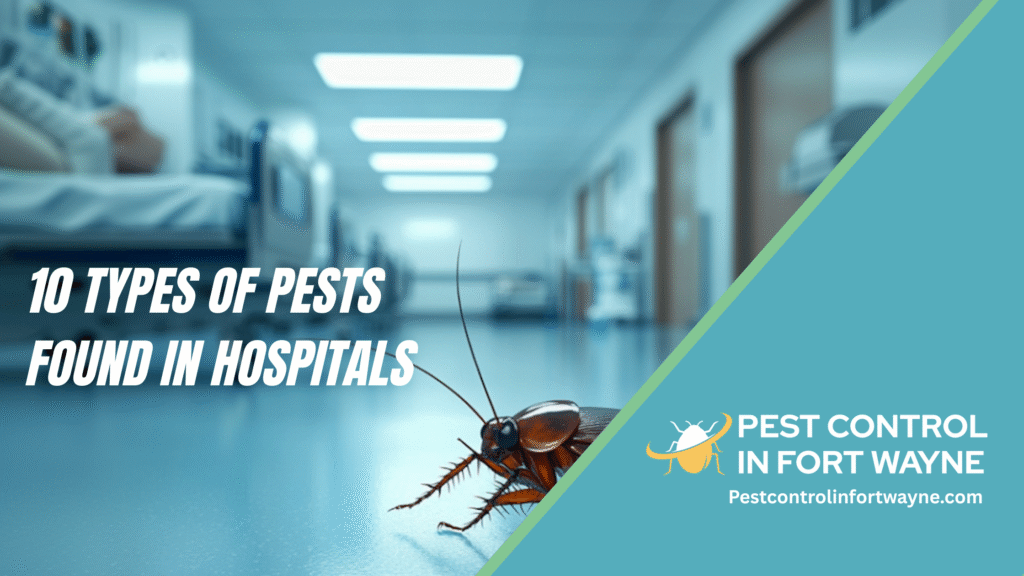
Hospitals are facilities where safety, cleanliness, and hygiene must always be maintained. Despite strict sanitation standards, the constant movement of people, food, and waste makes hospitals vulnerable to pests. These invaders not only threaten hygiene but can also endanger patients with compromised immune systems.
That’s why hospitals across the region rely on Pest Control in Fort Wayne to keep their facilities safe, sanitary, and pest-free. Below are the ten most common types of pests found in hospitals, their breeding areas, and the health risks they pose.
1. Rodents (Rats and Mice)
Breeding Areas:
Rodents typically breed in dark, undisturbed spaces such as storage rooms, basements, crawl spaces, and near food storage areas. Piles of papers, boxes, or unused equipment create perfect hiding and nesting spots.
Hazards:
Rats and mice can spread dangerous diseases like leptospirosis, hantavirus, and salmonella. Their droppings contaminate sterile zones, while their chewing habits can damage electrical wires and hospital equipment, creating serious safety risks.
Prevention:
Regular inspections, sealing entry points, and maintaining clean storage areas are essential. Hospitals should use tamper-proof bait stations and traps monitored by professional pest control technicians.
2. Cockroaches
Breeding Areas:
Cockroaches thrive in warm, moist areas like kitchens, boiler rooms, waste disposal areas, and laundry rooms. They are often found behind refrigerators, sinks, and drains.
Hazards:
These pests carry bacteria such as E. coli and Salmonella, spreading them across medical surfaces and food preparation areas. They also trigger allergies and asthma among patients and staff.
Prevention:
Hospitals must clean drains regularly, store food properly, and use gel baits or insect growth regulators (IGRs) as part of a preventive pest management program.
3. Bed Bugs
Breeding Areas:
Bed bugs are common in hospitals, especially in patient beds, waiting rooms, and upholstered furniture. They hide in cracks, seams, and wall joints.
Hazards:
While bed bugs don’t spread diseases, their bites cause itching, anxiety, and discomfort. In hospitals, this adds stress for patients and disrupts care routines.
Prevention:
Regular vacuuming, inspection of linens, and professional heat treatments help eliminate infestations and prevent recurrence.
4. Flies (House Flies and Fruit Flies)
Breeding Areas:
Flies breed in garbage bins, drains, uncovered food, and areas with stagnant water. Kitchens and waste disposal areas are particularly vulnerable.
Hazards:
Flies carry disease-causing bacteria and can spread illnesses like typhoid, cholera, and dysentery. Their presence in sterile zones or near food storage is a serious hygiene violation.
Prevention:
Keep trash areas clean, use fly traps, cover food, and ensure proper drainage around the hospital. Installing air curtains and UV fly traps near entrances can also help.
5. Mosquitoes
Breeding Areas:
Mosquitoes breed in standing water, such as flower pots, drains, and areas with poor drainage. Even a small amount of water can host hundreds of mosquito larvae.
Hazards:
They transmit diseases like dengue, malaria, and chikungunya. In hospitals, where patients may already have weakened immunity, these diseases pose serious risks.
Prevention:
Drain standing water, clean gutters, and use mosquito repellents or larvicides. Window screens and door nets can reduce entry into buildings.
6. Ants
Breeding Areas:
Ants nest in walls, cracks, kitchen areas, and around food preparation zones. They are drawn to sugary and greasy residues.
Hazards:
Though small, ants can contaminate medical equipment and patient food. In sensitive areas such as ICUs or operating theaters, this can lead to cross-contamination.
Prevention:
Seal cracks, clean food spills immediately, and store food in airtight containers. Professional pest control services can identify and destroy hidden colonies.
7. Termites
Breeding Areas:
Termites thrive in wooden structures, paper archives, and moisture-prone foundations. Older hospitals with wooden fixtures are especially at risk.
Hazards:
They can silently damage furniture, storage units, and even structural elements of a hospital, leading to expensive repairs.
Prevention:
Conduct annual termite inspections and apply soil or barrier treatments. Keep records and furniture dry to reduce the risk of infestation.
8. Birds (Pigeons and Sparrows)
Breeding Areas:
Birds nest in roof cavities, ledges, vents, and unused corners of hospital buildings. They are drawn to food scraps and sheltered areas.
Hazards:
Bird droppings contain bacteria and fungi that can cause respiratory infections. Their nests can block ventilation systems and pose fire risks.
Prevention:
Use bird spikes, nets, and repellents. Regular cleaning of the roof and vent areas helps prevent nesting.
9. Spiders
Breeding Areas:
Spiders often settle in corners, ceiling edges, and storage spaces that are rarely disturbed. They are also found near windows where insects gather.
Hazards:
Although most spiders are harmless, some species can bite, causing allergic reactions. Their webs also create a sense of uncleanliness in patient care areas.
Prevention:
Regular dusting, vacuuming, and sealing wall cracks can reduce spider activity. Keep lighting in check, as bright lights attract their prey.
10. Silverfish and Stored Product Pests
Breeding Areas:
Silverfish thrive in humid areas such as basements, bathrooms, and laundry rooms. Stored product pests like beetles and moths breed in pantry items and dry goods.
Hazards:
They damage paper files, fabrics, and packaged food materials. In hospitals, this leads to contamination of food and linen supplies.
Prevention:
Keep humidity under control, store food in sealed containers, and discard old or expired stock regularly.
Preventive Measures for Hospital Pest Control
- Regular Inspections: Identify early signs of pest activity in storage rooms, kitchens, and waste areas.
- Proper Sanitation: Clean food prep zones, drains, and garbage bins frequently.
- Seal Entry Points: Fix cracks, gaps, and leaks that can invite pests.
- Professional Pest Control Services: Partner with certified companies experienced in healthcare pest management.
- Staff Training: Educate maintenance and housekeeping staff on spotting pests and reporting infestations early.
Frequently Asked Questions
Why are hospitals prone to pest infestations?
Hospitals operate 24/7, with food, waste, and large human traffic, creating ideal conditions for pests. Warm temperatures, moisture, and storage areas further attract rodents, flies, and cockroaches.
Which pests pose the highest health risks in hospitals?
Rodents, flies, and cockroaches pose major risks because they spread pathogens. They contaminate food, surfaces, and equipment, leading to infections in patients and staff.
How can hospitals prevent rodent infestations?
Regular sealing of cracks, clean waste disposal, and professional baiting systems can prevent rodents. Maintenance checks in storage and basement areas also help detect early activity.
Are pest control chemicals safe for hospital use?
Yes, professional pest control companies use hospital-grade, low-toxicity, and odorless treatments. These are safe for patients, staff, and sensitive medical environments.
What should hospital staff do if pests are spotted?
Staff should immediately report sightings to the maintenance or pest control department. Quick reporting ensures targeted treatment before pests spread to patient areas.
Do eco-friendly pest control methods work in hospitals?
Yes, modern eco-friendly pest control methods use natural repellents, traps, and non-toxic chemicals. They effectively control pests without compromising hospital hygiene or safety.
How often should hospitals schedule pest inspections?
Monthly inspections are ideal for large hospitals, while smaller facilities may choose quarterly visits. Frequent inspections help maintain hygiene and early detection.
What diseases can pests spread in hospitals?
Pests spread diseases like leptospirosis, salmonella, typhoid, and dengue. These illnesses are especially dangerous for immunocompromised patients.
Can hospital design influence pest infestations?
Yes, poor ventilation, water leakage, and cluttered storage areas attract pests. Proper building design and maintenance can reduce these risks.
Why should hospitals hire professional pest control services?
Professional pest control ensures safe, compliant, and long-term protection. Experts understand hospital protocols, use approved products, and create tailored plans for healthcare environments.
Conclusion
Hospitals exist to heal, but pests can compromise hygiene, safety, and patient trust. By identifying common pests and their breeding zones, hospitals can act swiftly to prevent infestations.
Partnering with a trusted pest control company in Fort Wayne ensures safe, effective, and compliant pest management that supports hospital hygiene standards. Regular monitoring and preventive strategies create a healthier, safer space for patients and staff alike.